Preserving cultural heritage while embracing cutting-edge research, the Archaeological Museum of Thessaloniki plays a unique role at the intersection of archaeology, science, and innovation.
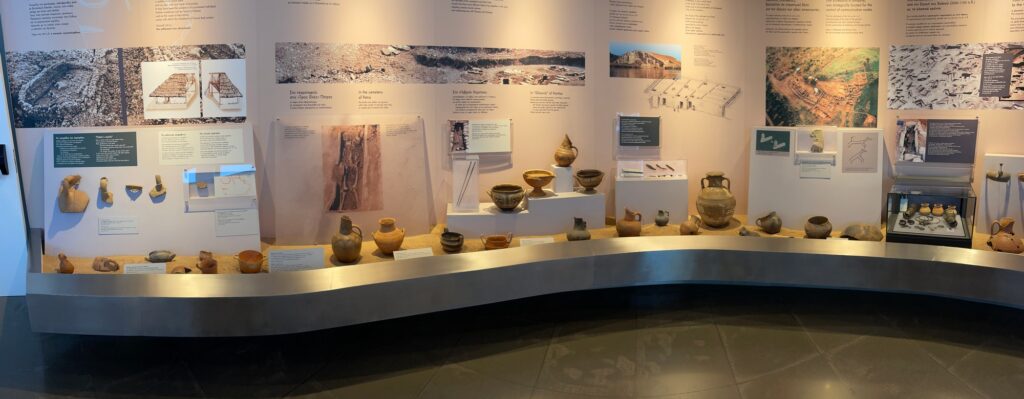
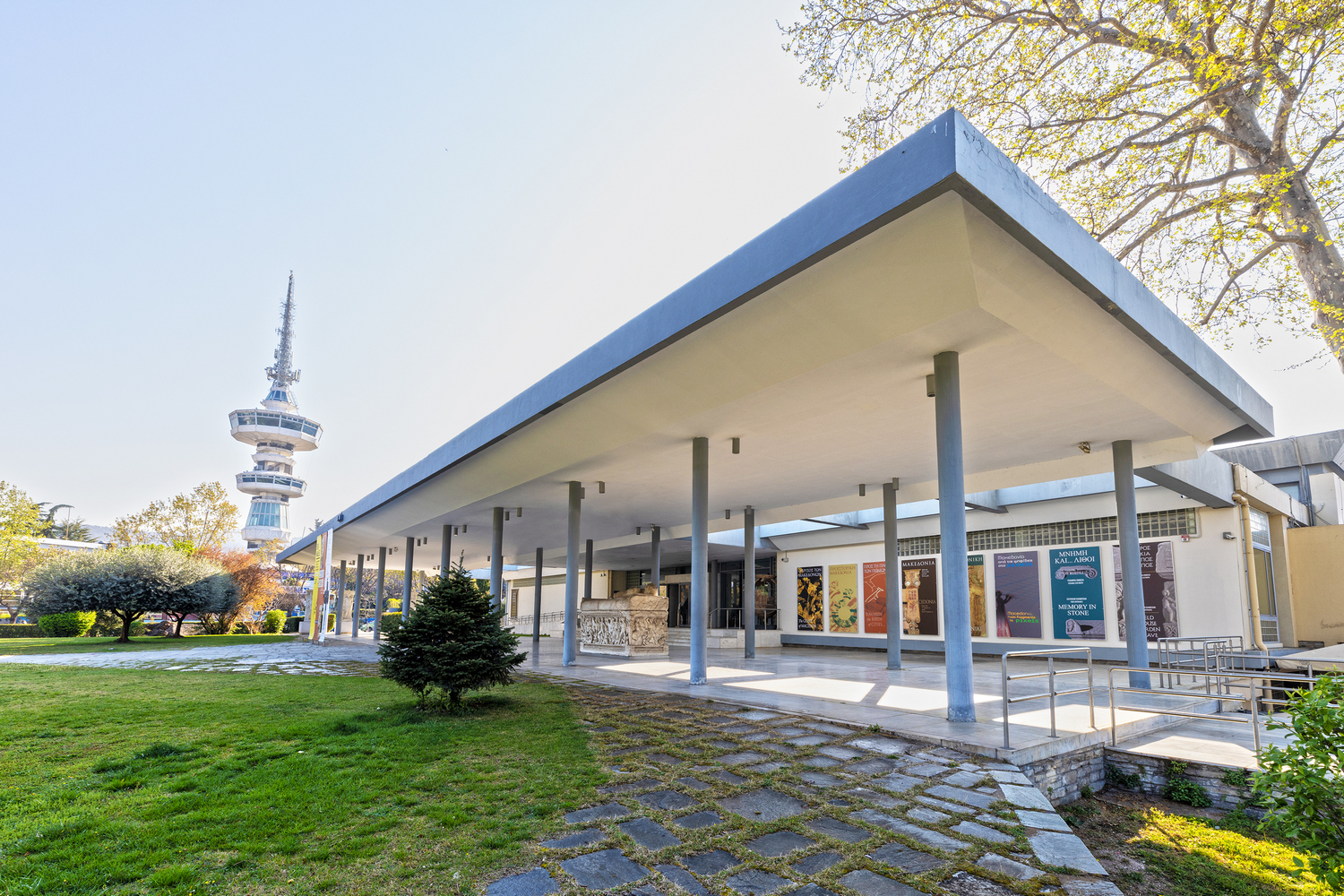
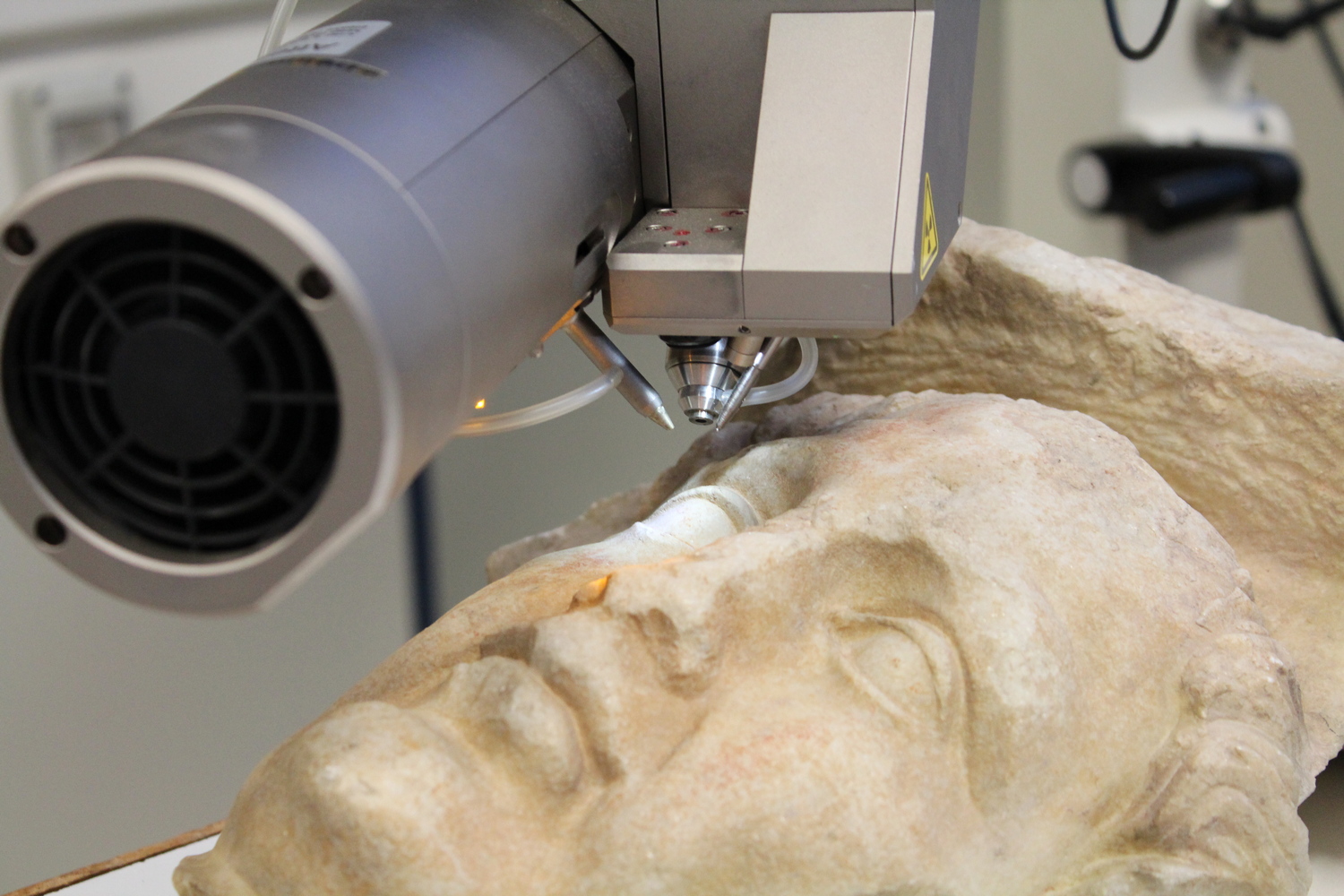
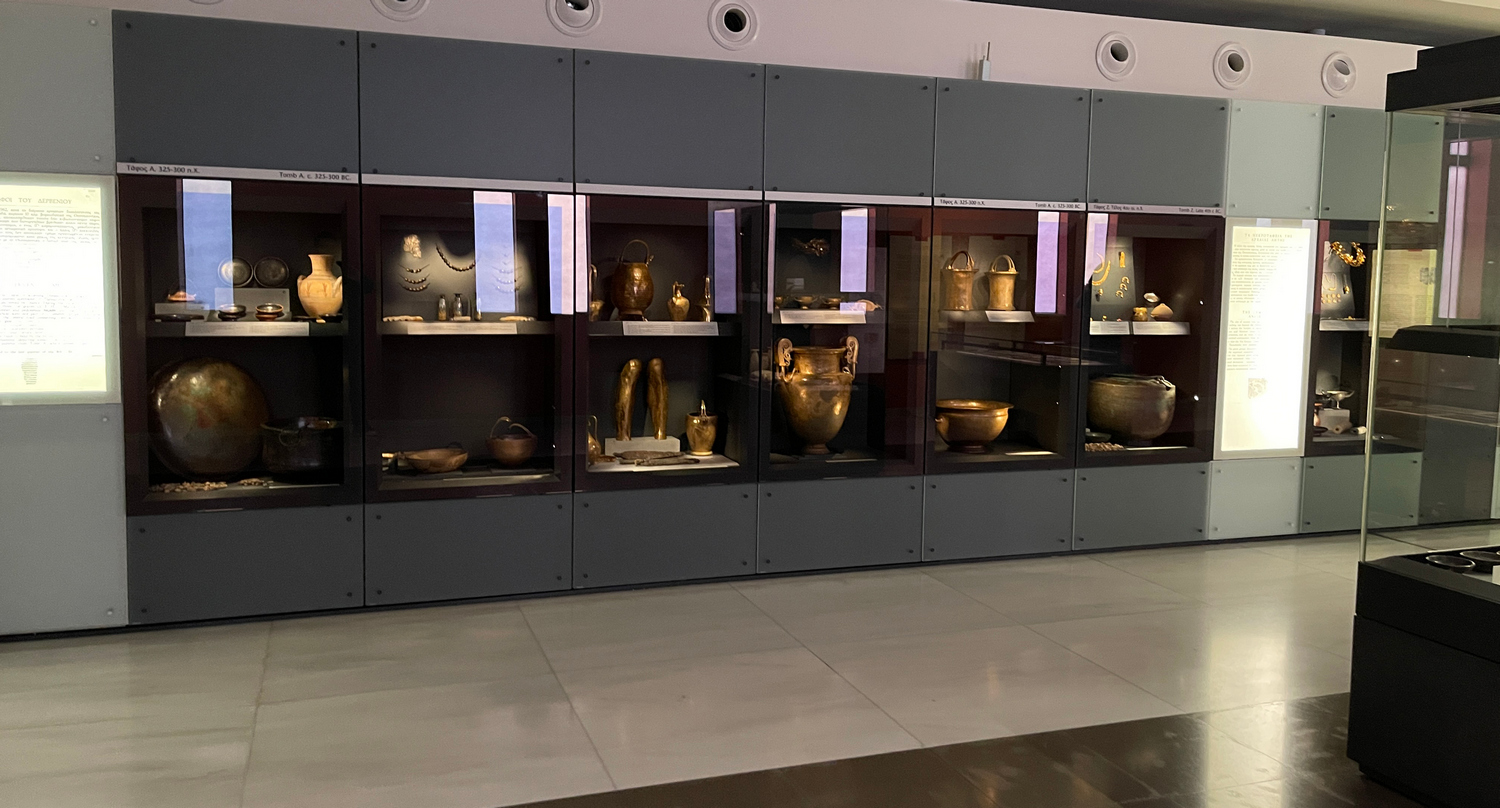
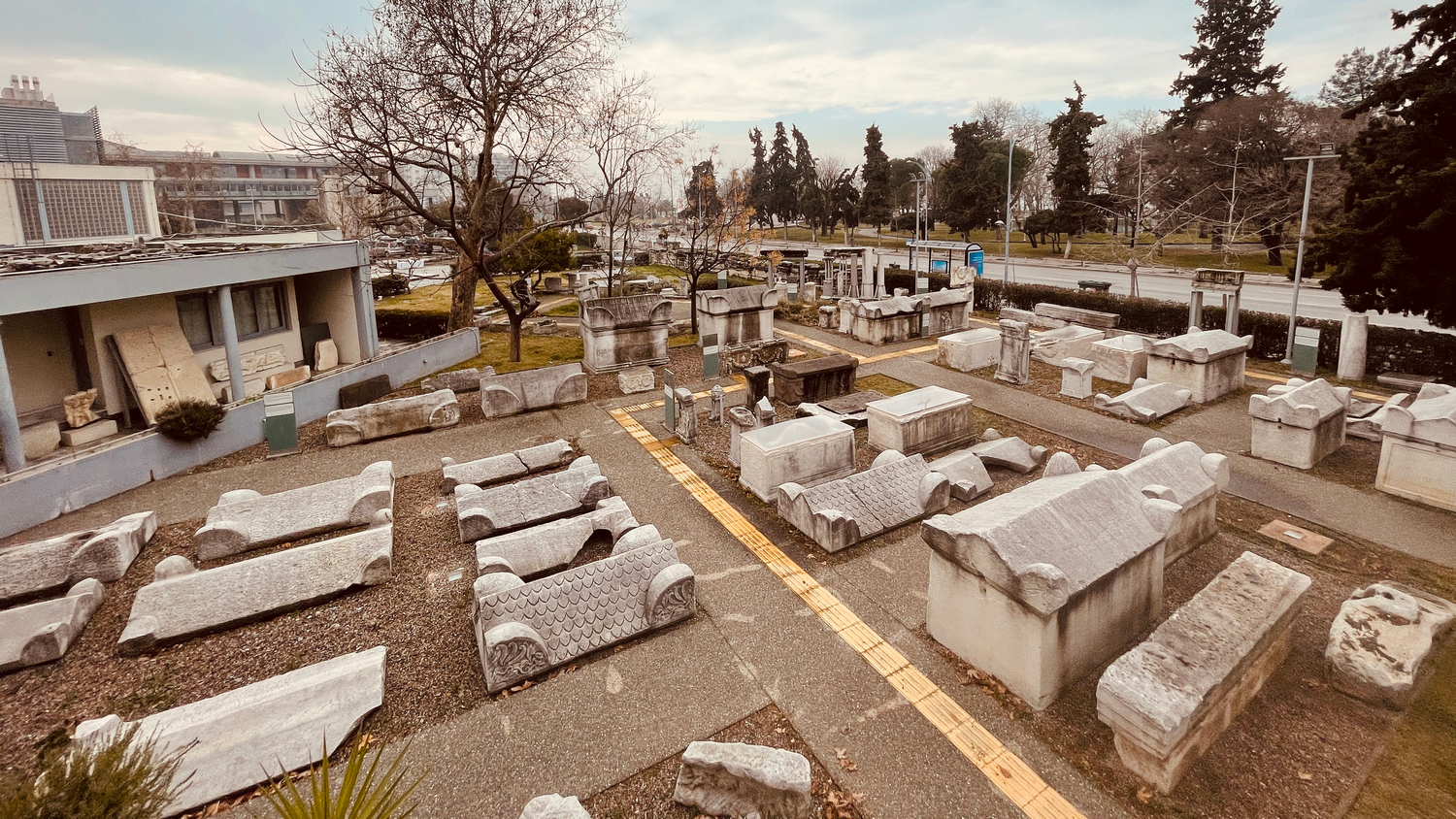
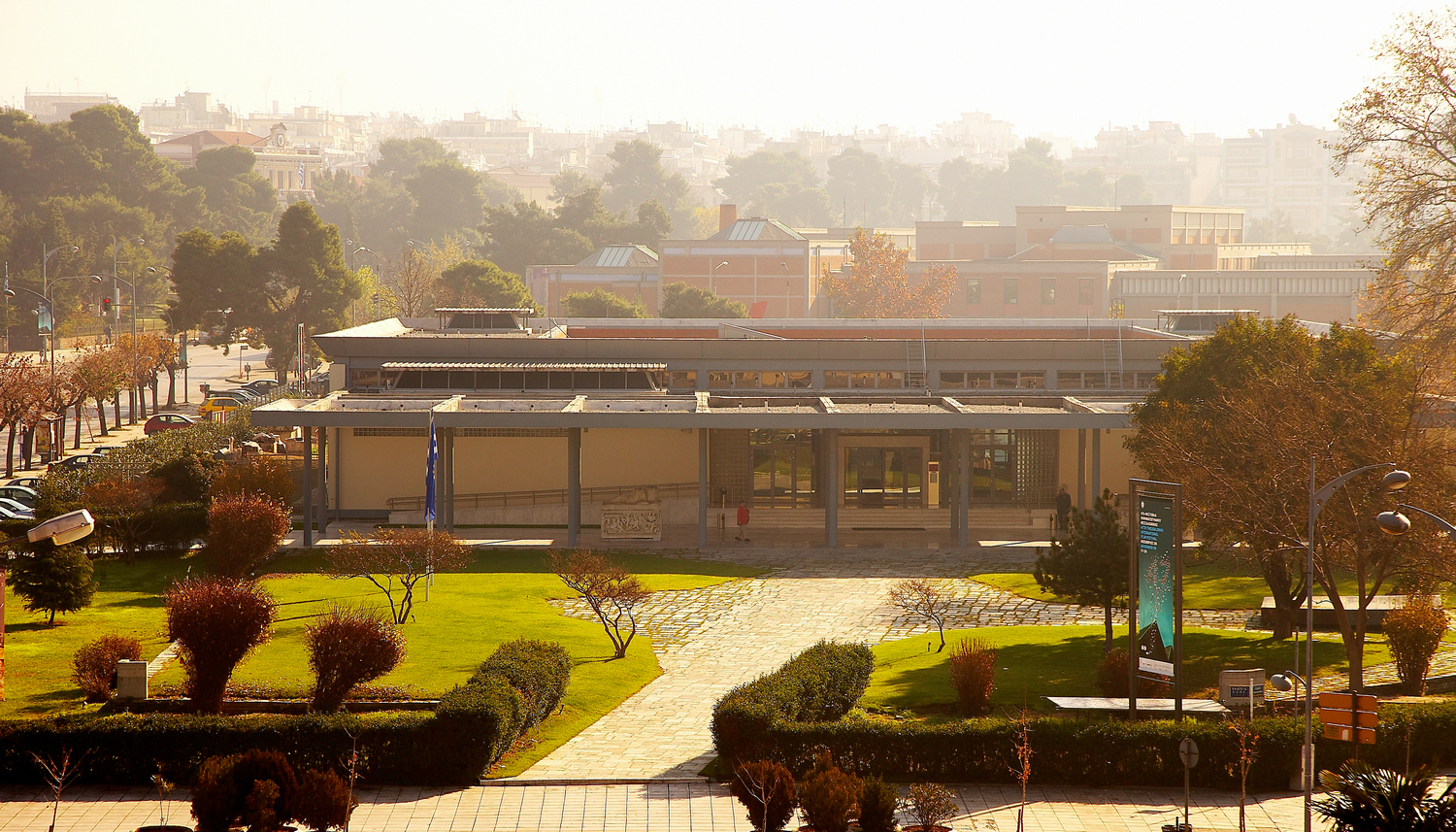
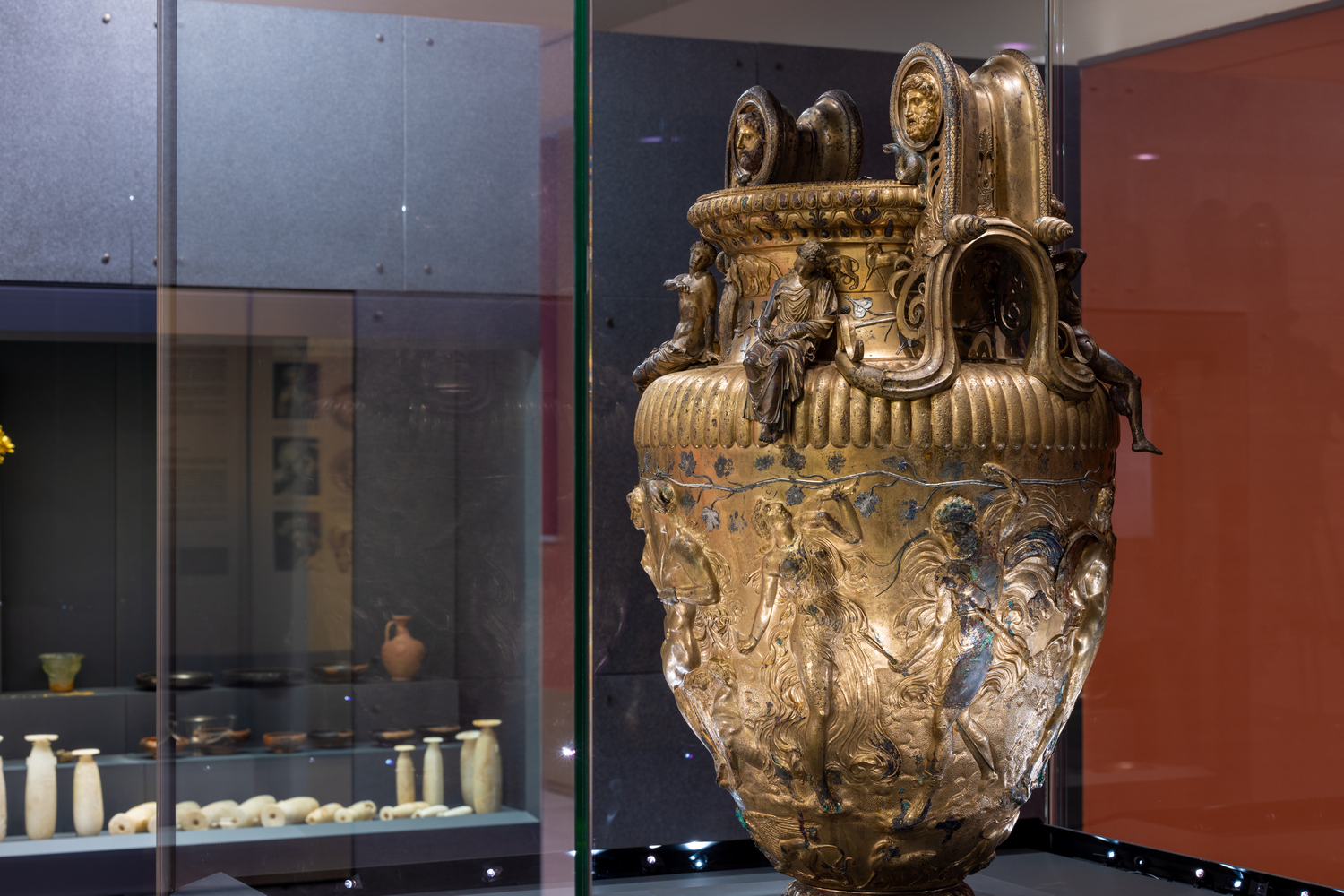
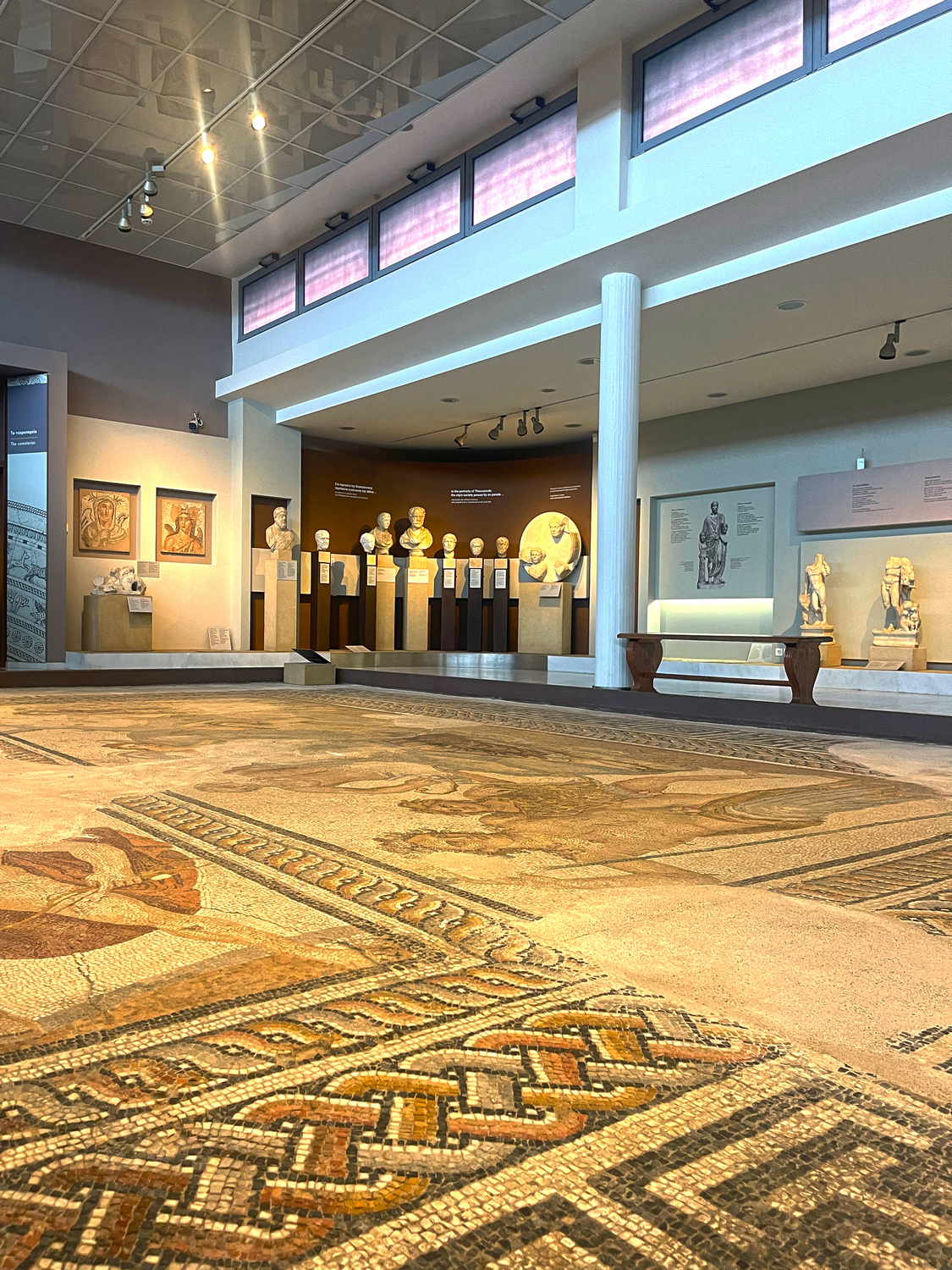
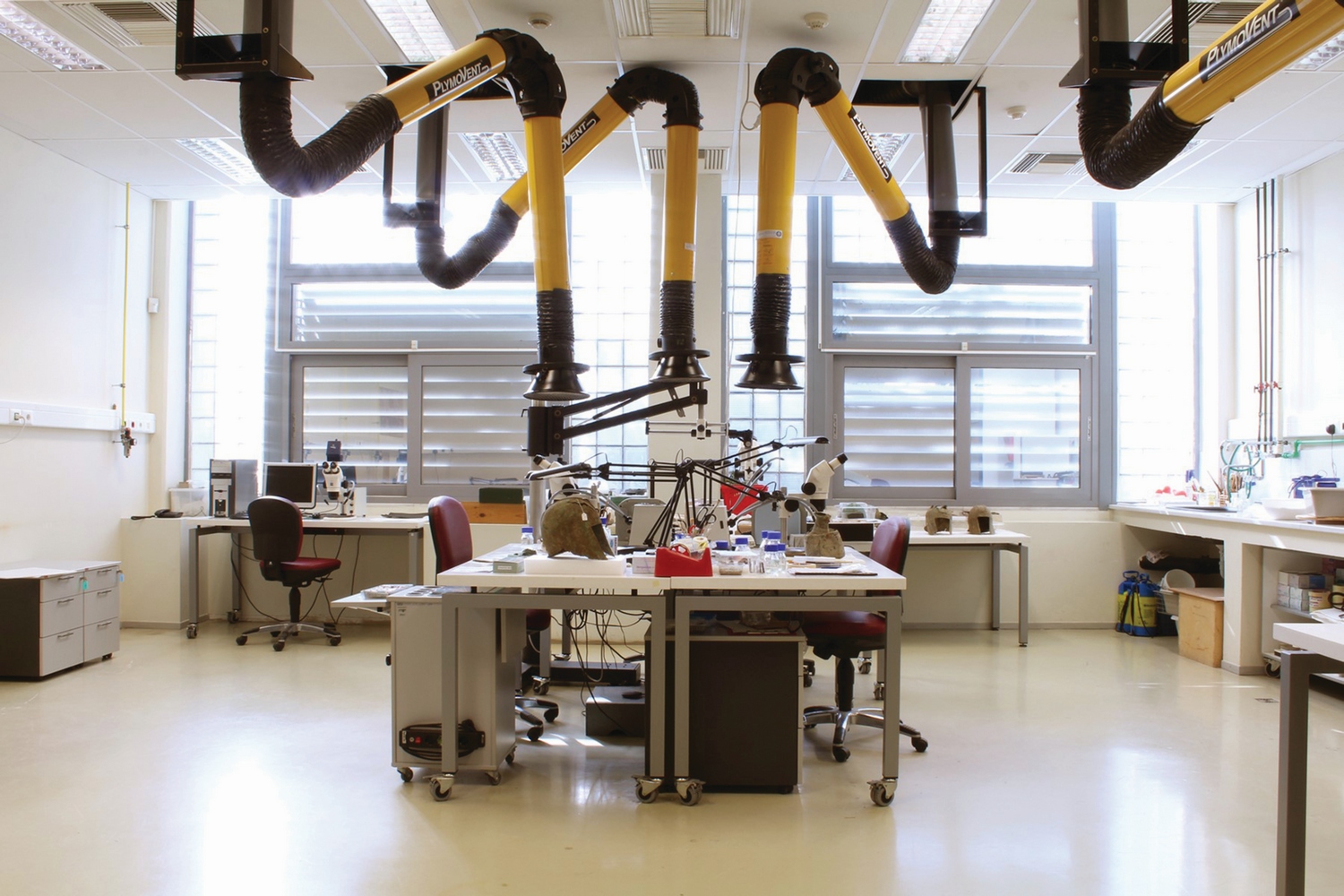
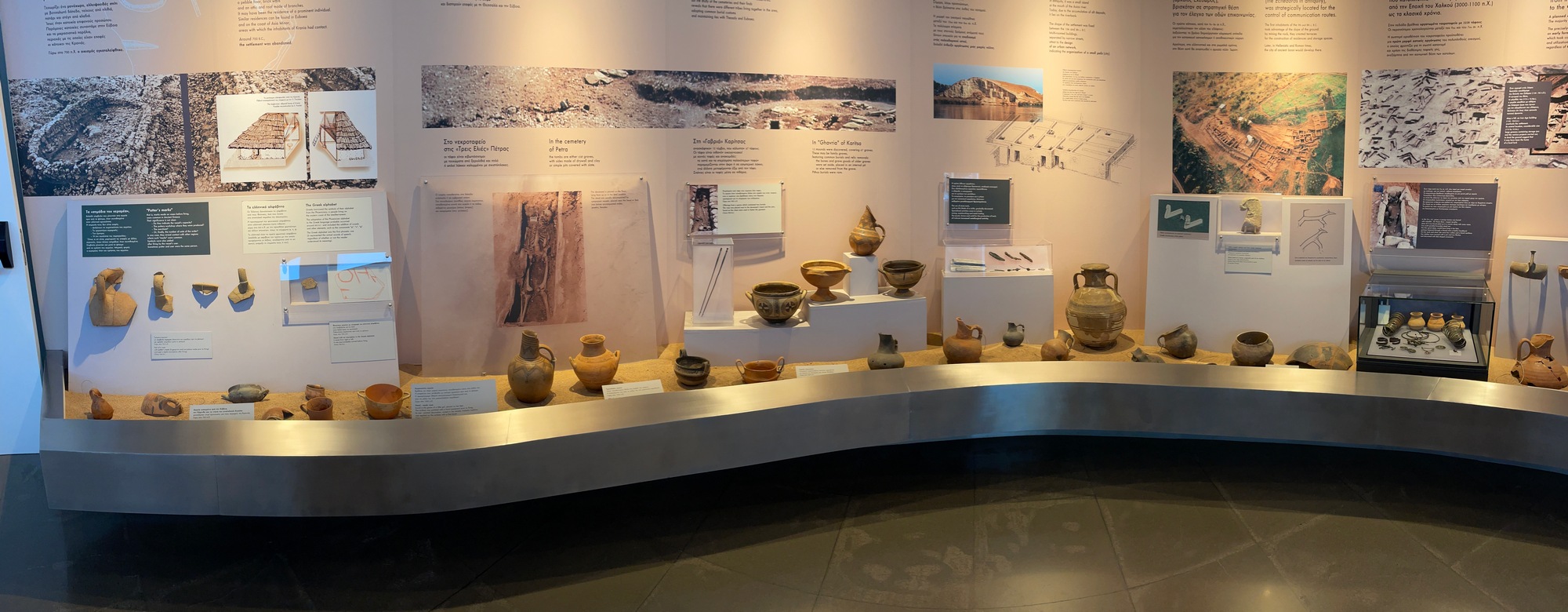
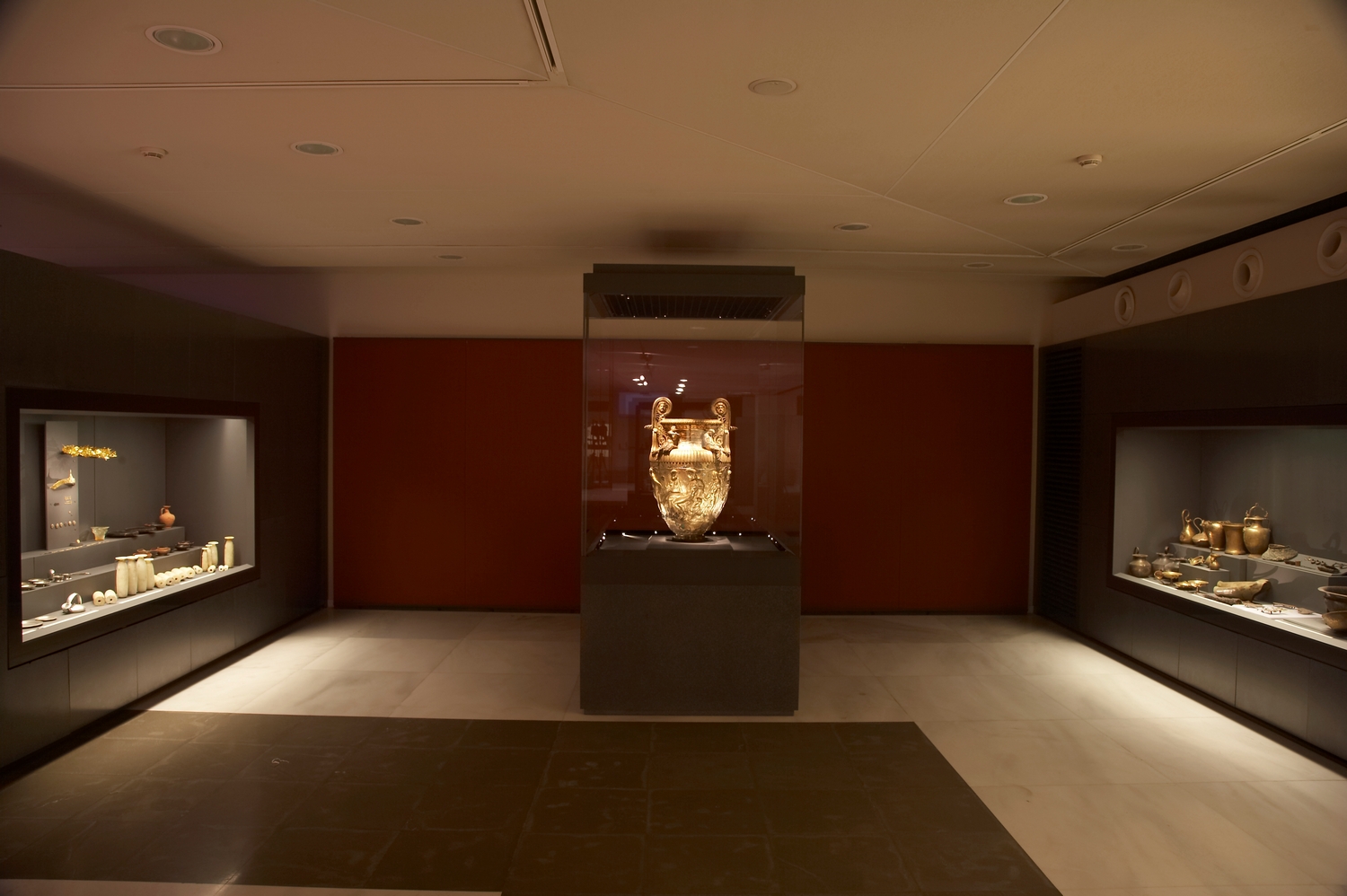
Archaeological Museum of Thessaloniki (AMTH) is one of the largest museums in Greece and the central museum of northern Greece, closely linked to the historical development of the modern city of Thessaloniki. Its mission focuses on the housing, protection, documentation, study, publication, and exhibition of heritage artefacts from Ancient Macedonia. The Museum actively participates in research and educational programmes and is supported by a multidisciplinary team of 54 professionals, including archaeologists, architects, chemists, computer scientists, and graphic designers. Its exhibitions span a wide historical timeline, from Prehistory through the Hellenistic and Late Roman periods, highlighting the rich and diverse cultural landscape of Macedonia and its surrounding regions. Notably, the Archaeological Museum of Thessaloniki is the only public museum in Greece hosting a Department of Physicochemical Research and Archaeometry. Through its Analytical Laboratory, the Museum carries out a comprehensive range of archaeometric activities, including: (i) the non-invasive analysis of ancient artefacts and the implementation of complementary sampling analytical techniques; (ii) the study of ancient technology through the determination of chemical composition; (iii) the study of material pathology; (iv) the study of authenticity; and (v) support for the Museum’s conservation programme.
Within the IFIGENEIA project, the Archaeological Museum of Thessaloniki and its Department of Physicochemical Research & Archaeometry participate mainly in Task 3.1 and WP3, contributing to the development of cultural heritage applications that utilise the LINAC/RFQ design for archaeometry and heritage-related analyses. Its role is associated with providing cultural-sector expertise, ensuring the accelerator’s applications align with heritage research needs, and supporting broader engagement of societal actors within the Greek Excellence Hub. In this context, AMTH will provide samples of authentic ancient materials (glasses and metals). Since the most important problem in the field of Archaeometry is the “sampling”, it will take advantage of the External Ion Beam, in combination with NCSR “Demokritos: in order to optimise parameters like differentiation of depth penetration, detection of lighter chemical elements and the Limit of Detection. Furthermore, the Archaeological Museum of Thessaloniki will be involved in WP2 in order to communicate project results, coordinate dissemination activities and organise exchanges of good practices.