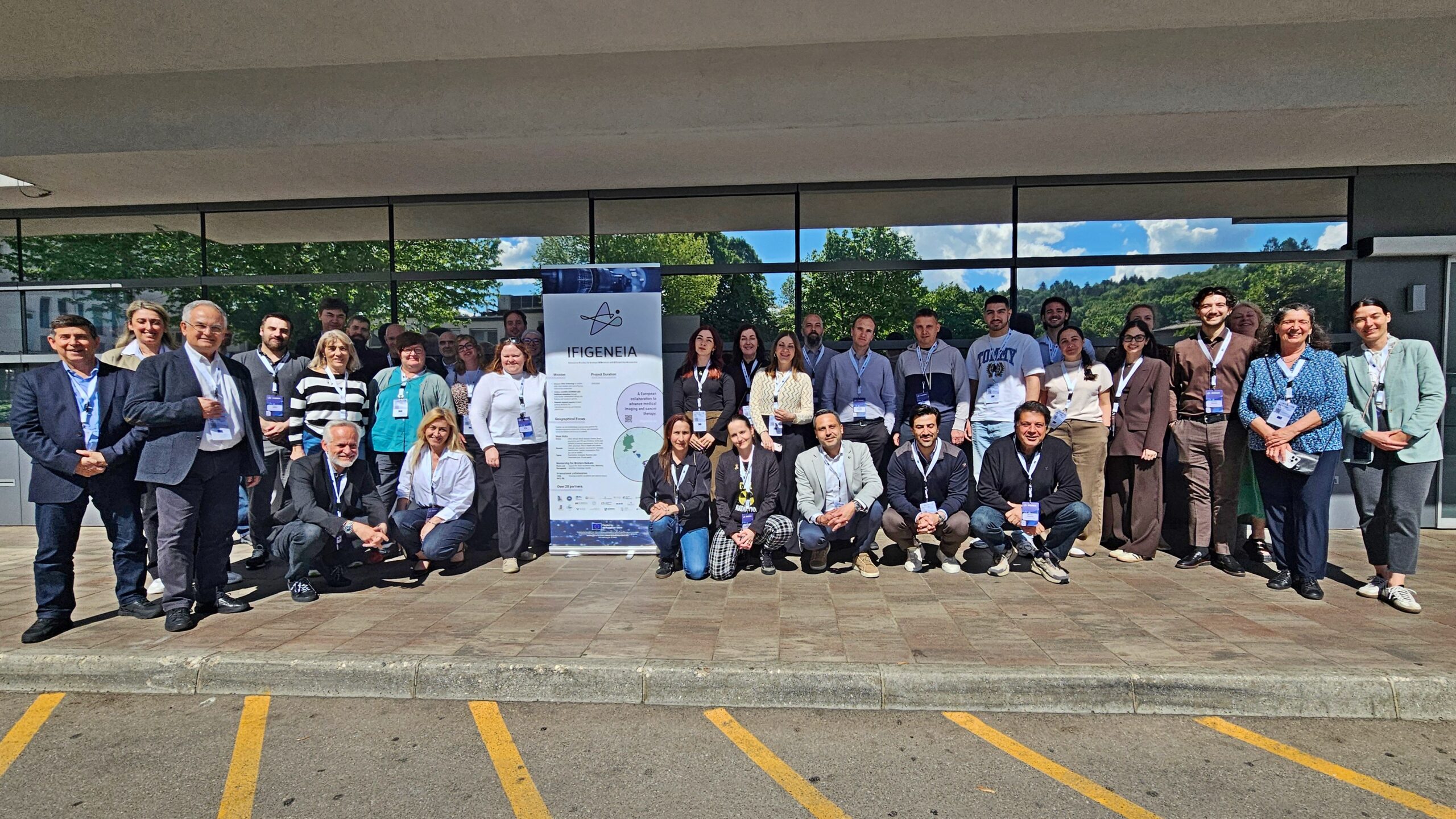
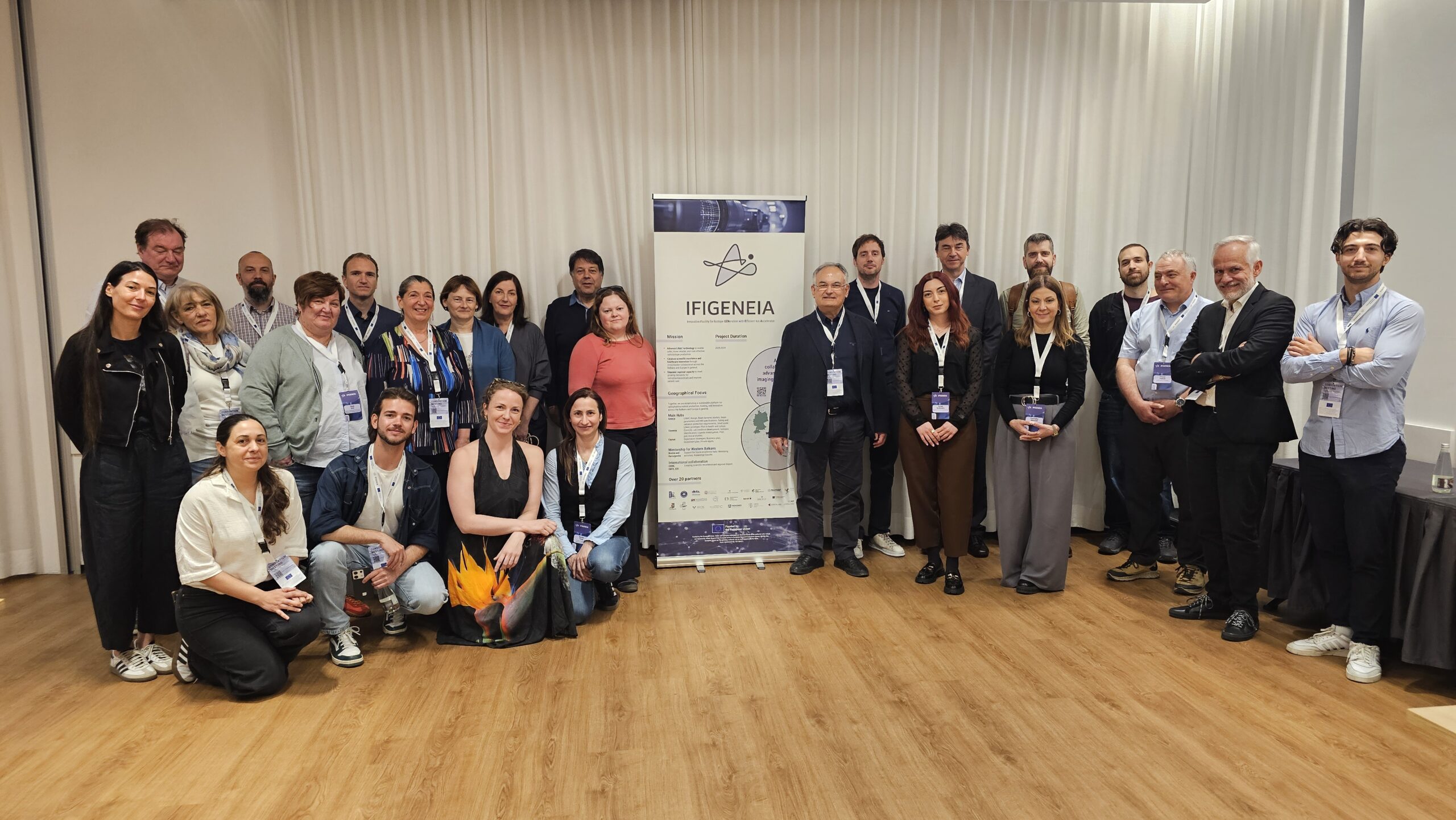
The IFIGENEIA consortium gathered in Ljubljana on 7 and 8 May 2026 to align progress across scientific, technical, business and capacity-building activities.
The 2nd IFIGENEIA Annual Meeting took place in Ljubljana, Slovenia, on 7 and 8 May 2026, bringing together the project consortium for two days of scientific, technical and strategic exchange.
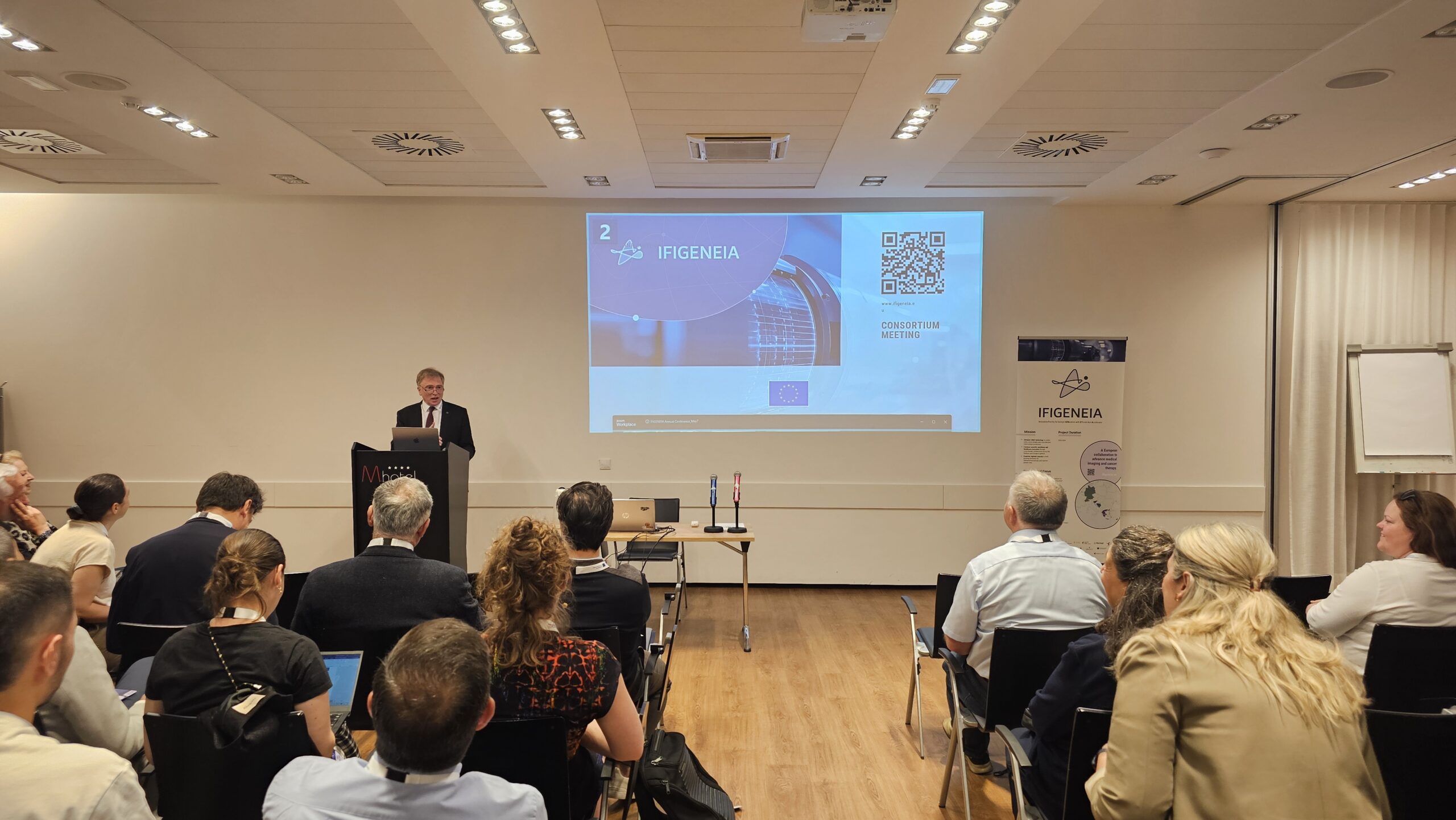
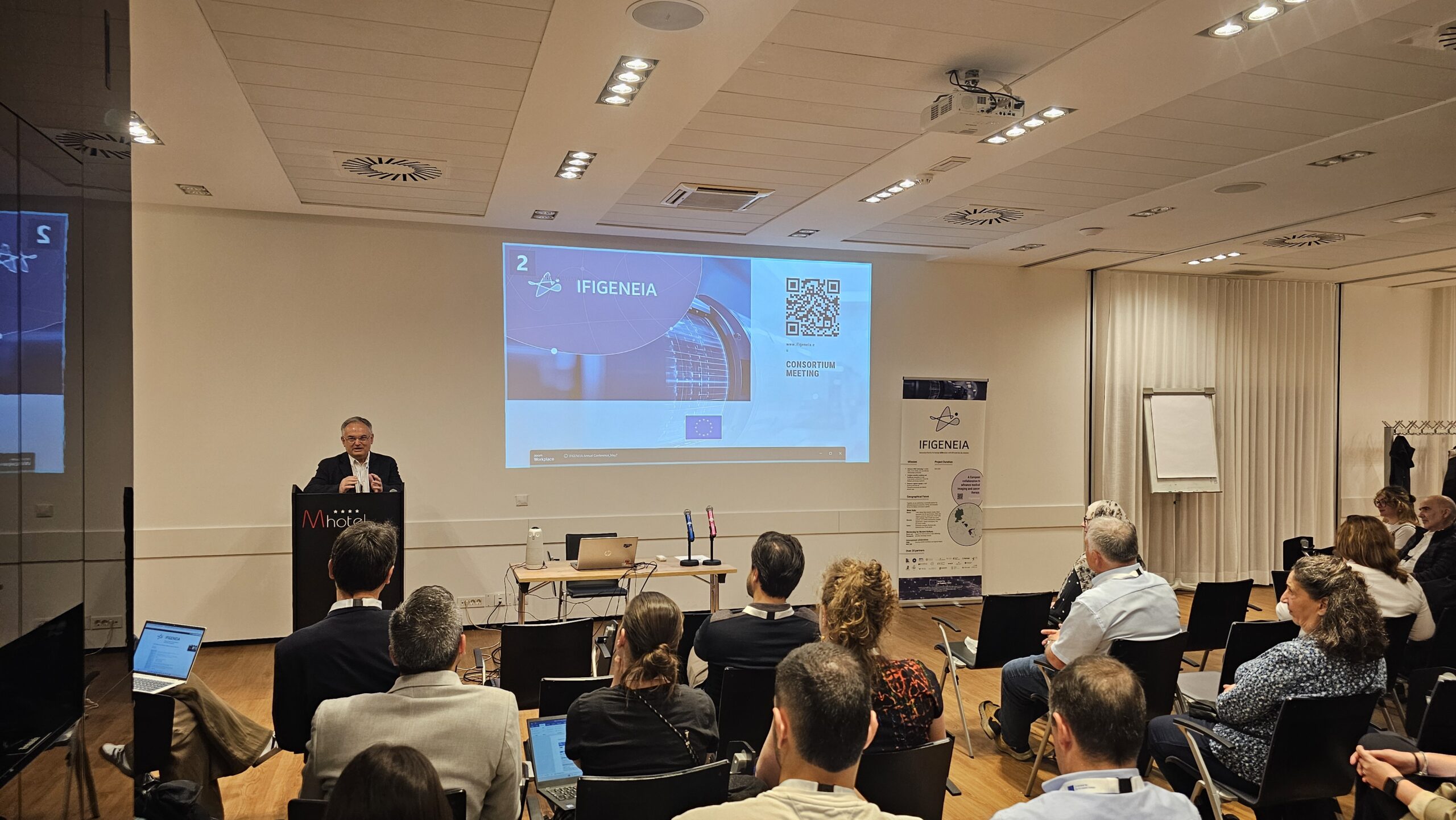
The meeting focused on progress across the project’s core work packages and on aligning the next implementation steps. The first day was opened by Dr Mark Pleško, co-founder and CEO of Cosylab, who welcomed the consortium with an address on the importance of technological excellence, industrial capacity and cross-sector collaboration in advancing complex research infrastructures. The opening session continued with Prof. Dimos Sampsonidis from the Aristotle University of Thessaloniki, IFIGENEIA Project Coordinator, who outlined the meeting objectives and the next steps for the consortium.
The programme then moved into project management sessions led by the Aristotle University of Thessaloniki, covering coordination, financial management, quality assurance, risk management, ethics, intellectual property, capacity building and data management.
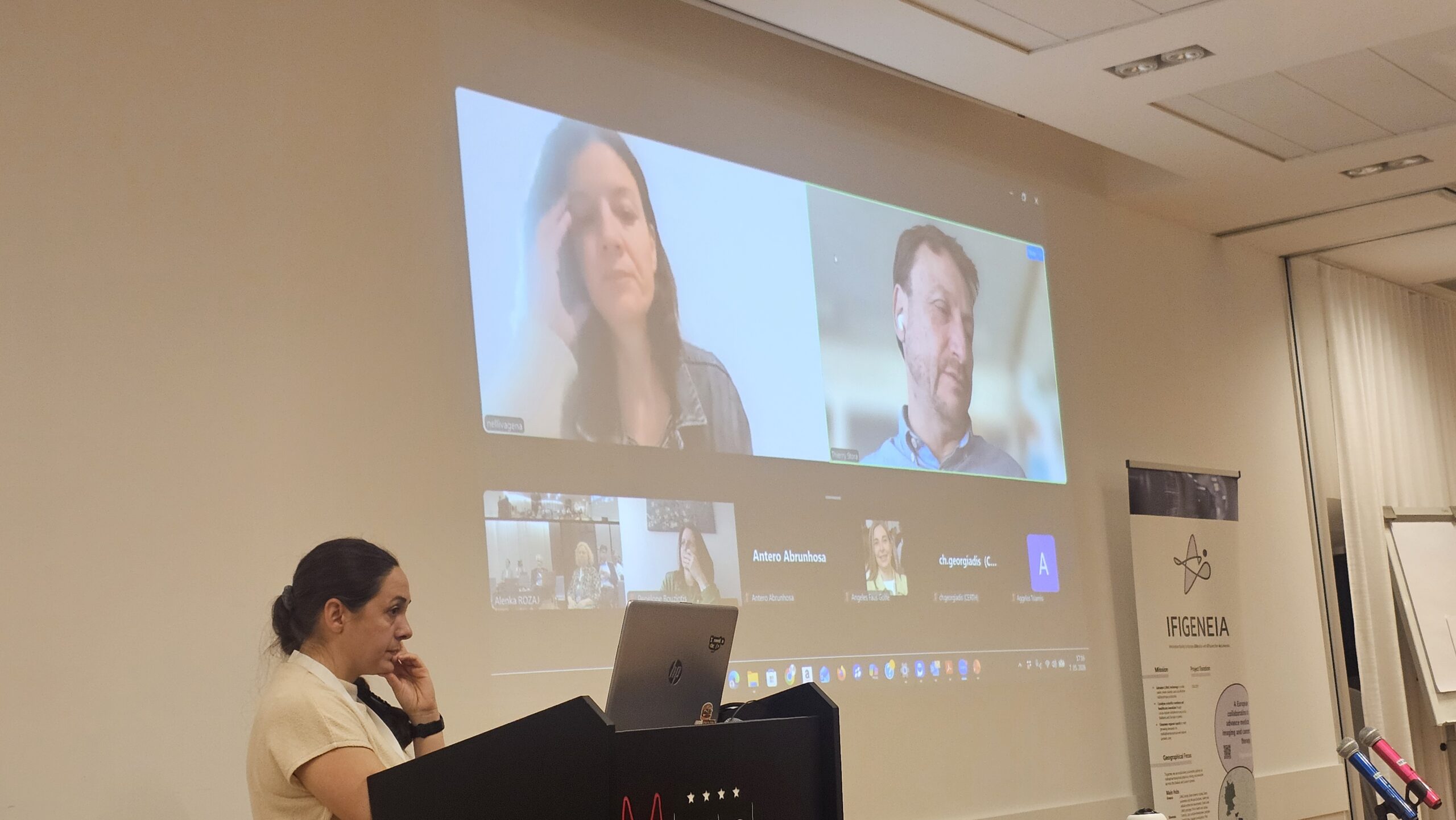
The first day was further enriched by three invited talks offering strategic, clinical and European research-infrastructure perspectives. Dani Bach, Managing Partner at Limani Partners and life sciences venture investor, addressed the key components of efficient business planning in biomedical applications. Ioannis Iakovou, Associate Professor of Nuclear Medicine at the Aristotle University School of Medicine, presented the current landscape and role of radioisotopes in medicine. A further European perspective was provided by Dr Thierry Stora, CERN physicist, Head of the CERN-MEDICIS facility and PRISMAP coordinator, who introduced the PRISMAP and PRISMAP+ initiatives and highlighted the importance of access to non-conventional radionuclides in Europe.
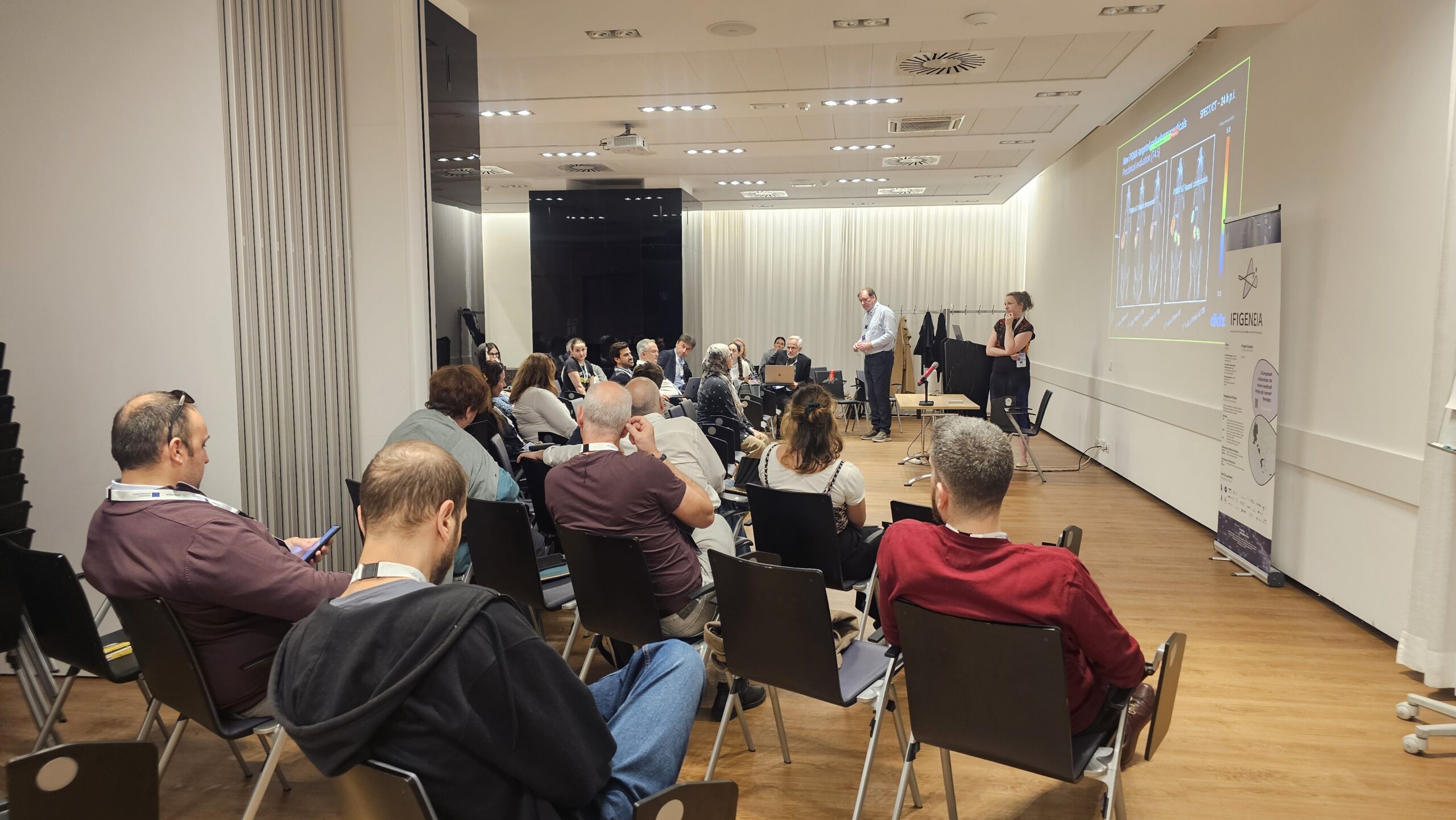
A dedicated session on radioisotope production and radiopharmaceuticals, led by the University of Ljubljana, addressed laboratory conditions, radiation protection, isotope selection, ligand development, compound testing and pre-clinical evaluation protocols.
In the afternoon, partners reviewed progress on LINAC design for radioisotope production and other societal applications. The session covered LINAC/RFQ design, beam dynamics, operational scenarios, target optimisation, control system planning, safety and radiation protection requirements.
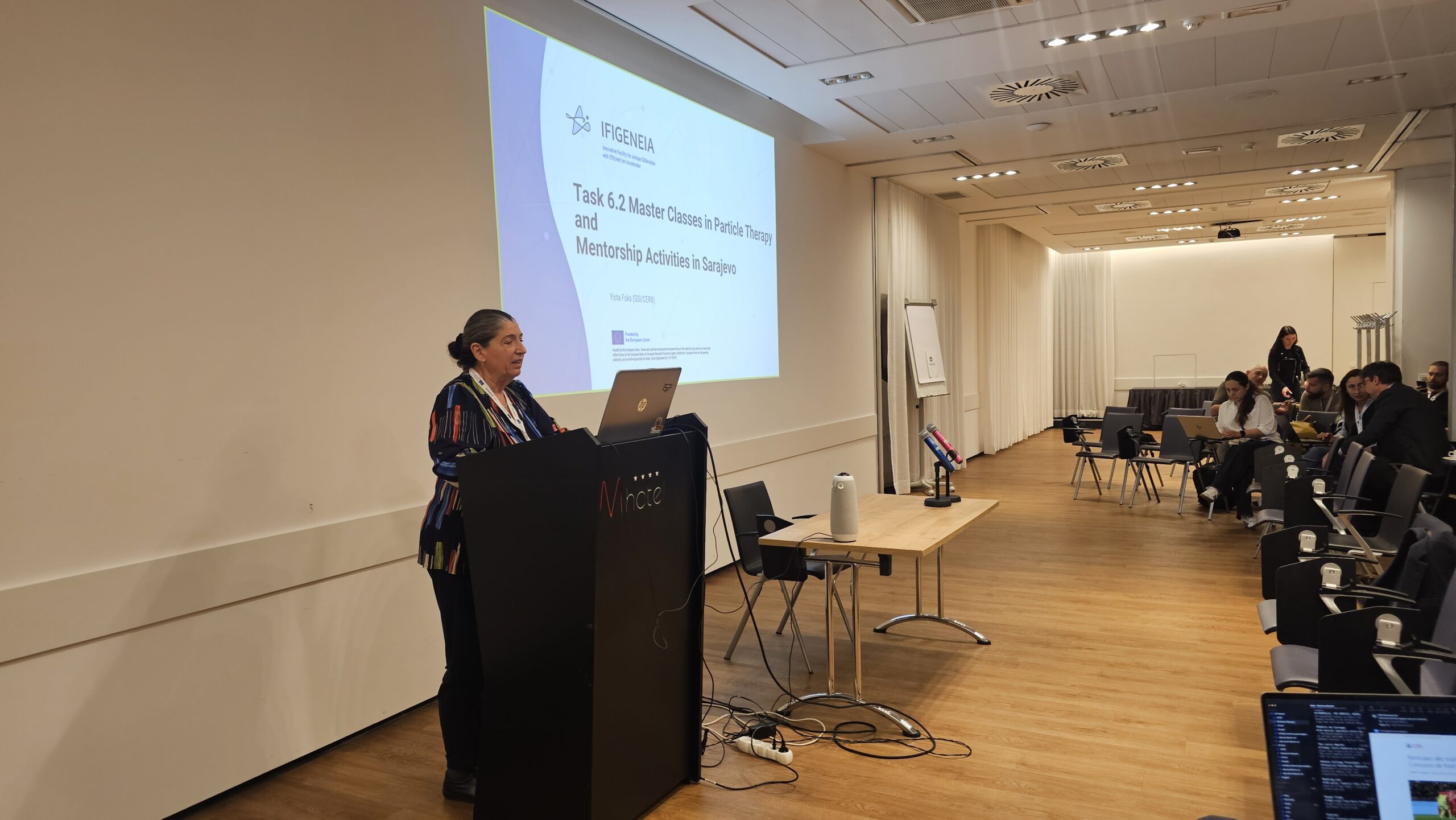
The second day focused on enabling activities. The Jožef Stefan Institute led the session on education, dissemination, inclusion and diversity. RTD TALOS led the session on business planning for end users, key exploitable results, strategic investment planning and sustainability of the Excellence Hubs. The mentorship session, led by the University of Cyprus and GSI, addressed the Accelerator School, particle therapy master classes and the development of a virtual interactive radioisotope production unit.
In parallel with the consortium meeting, the project also attracted media interest in Slovenia through coordinated outreach activities involving Slovenian partners. The meeting and the broader objectives of IFIGENEIA were presented through interviews, media briefings and national coverage focused on the future of sustainable radioisotope production, European technological capacity and the relevance of nuclear medicine for patients and healthcare systems. These activities contributed to strengthening public visibility and stakeholder awareness around the project and its long-term societal impact.
The meeting concluded with a strategic discussion and a closed session of the Management Board, Work Package leaders and External Advisory Board. The Ljubljana meeting confirmed the consortium’s commitment to developing a credible roadmap for sustainable LINAC-based radioisotope production in Europe.