
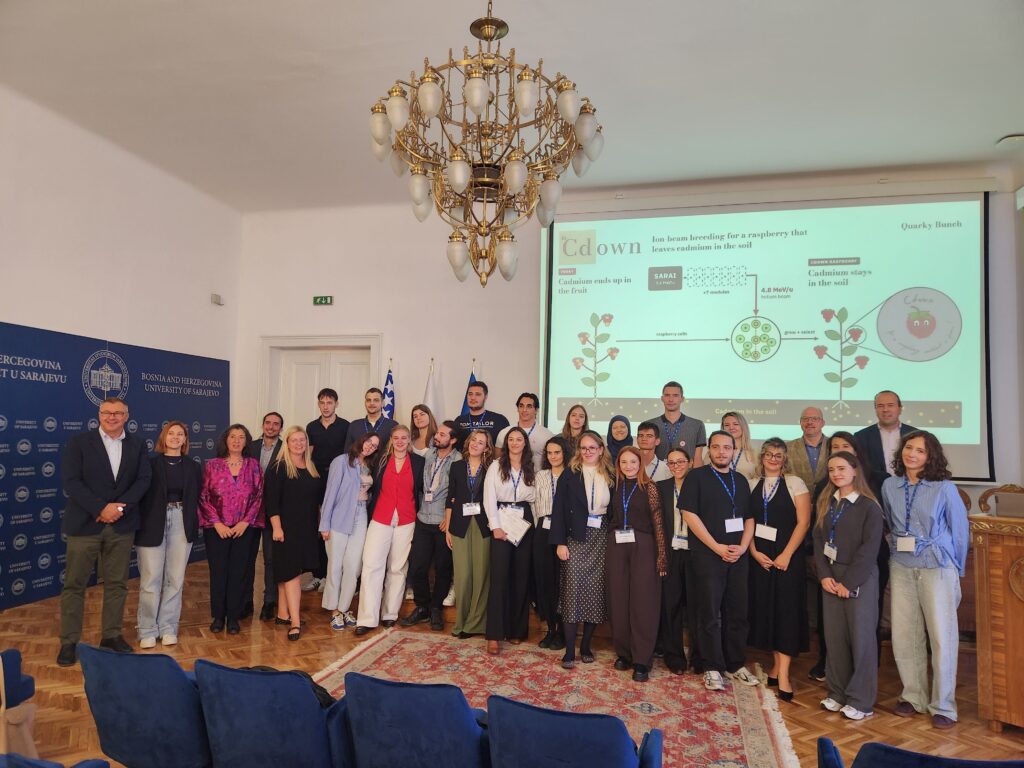
Twenty-four students from across Europe gathered at the Faculty of Science of the University of Sarajevo for a challenge on the use of particle accelerators to address societal applications in the Balkans.
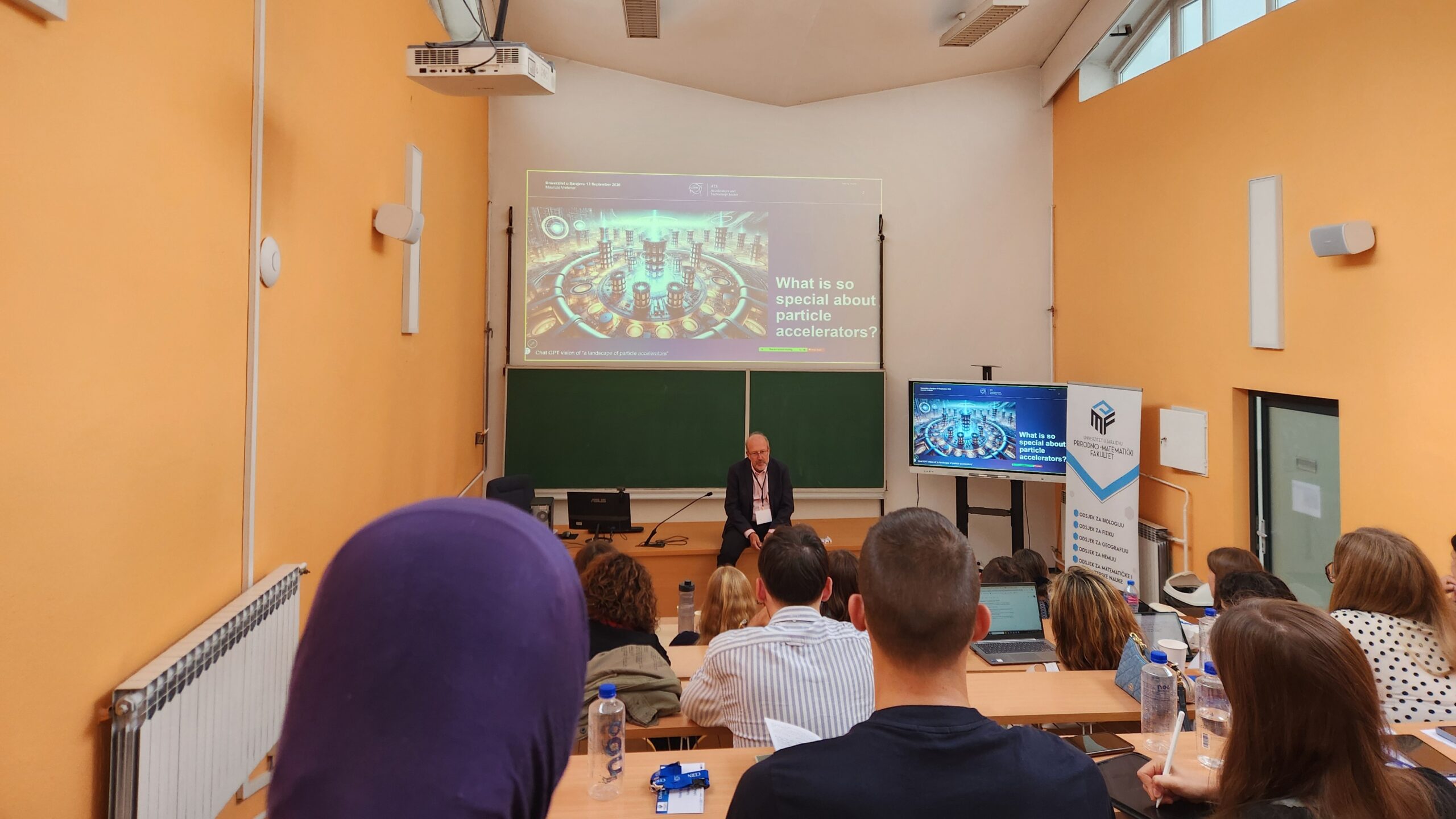
These young physicists, engineers, chemists, and life scientists attended two days of high-level tutorials. Then they proposed innovative uses of particle accelerators, which they had 7 days to develop before presenting them to an international jury.
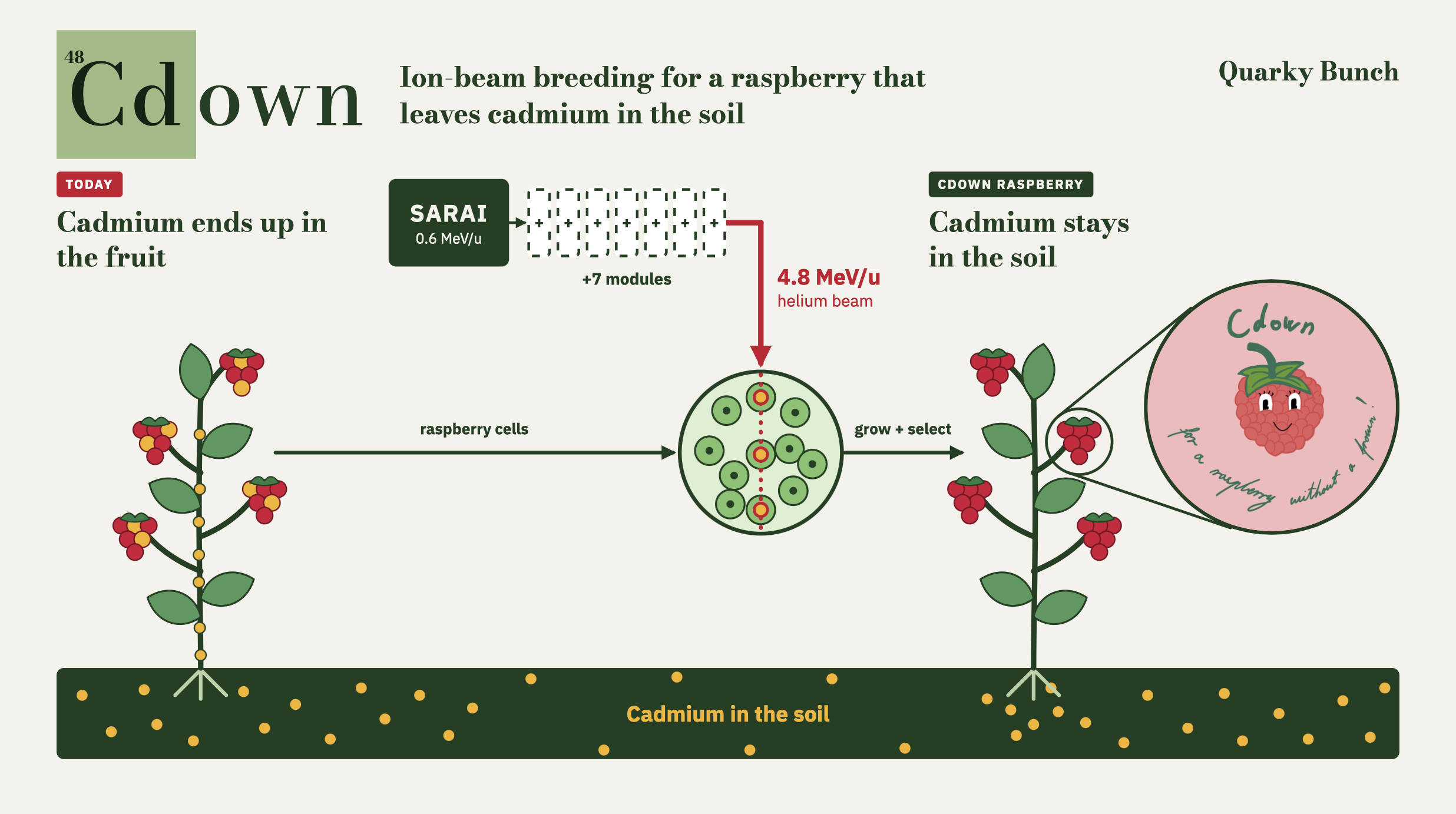
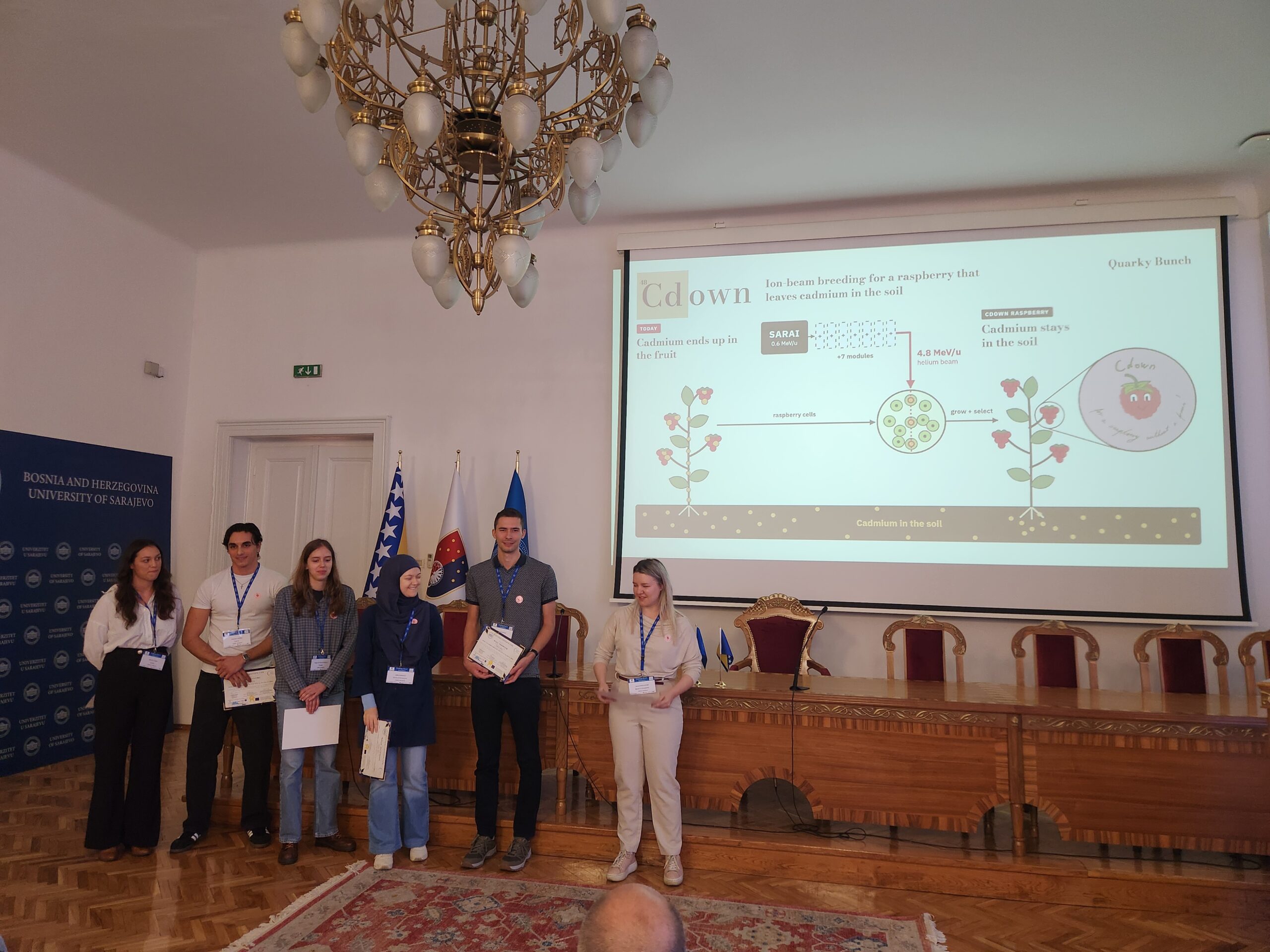
The winning project proposed using a particle accelerator to induce modifications in raspberry plants, reducing the amoNANOunt of Cadmium they accumulate.
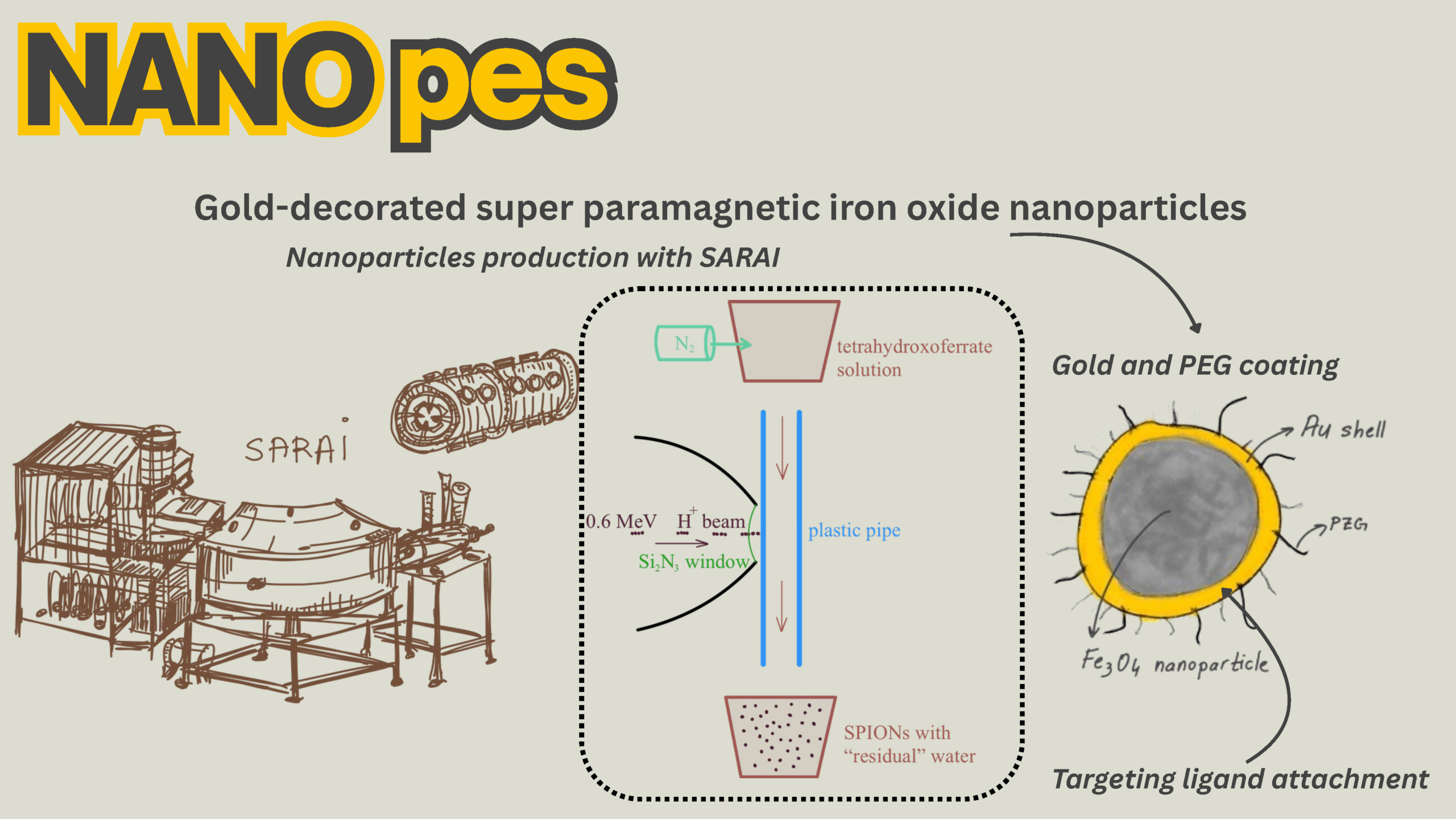
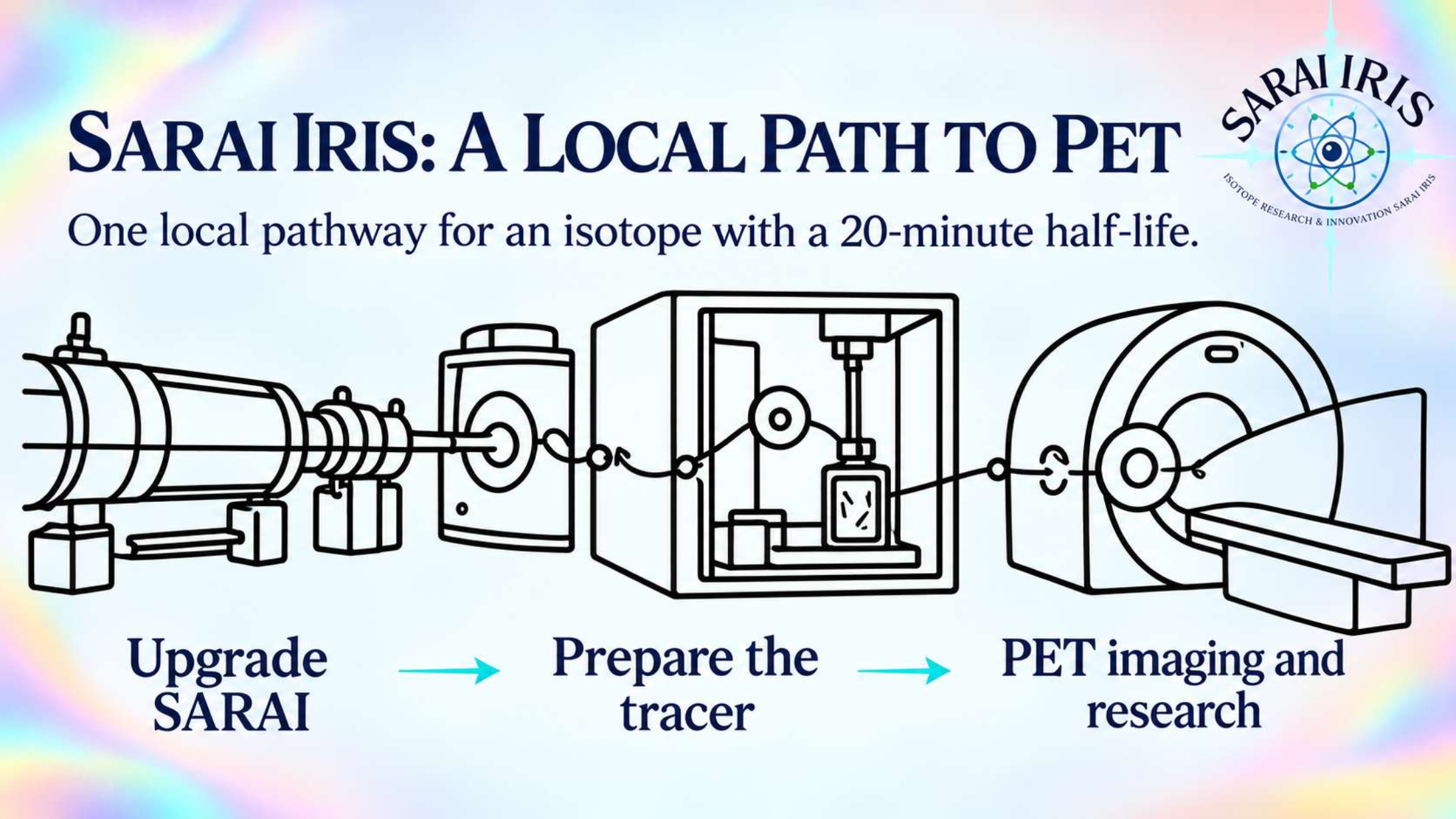
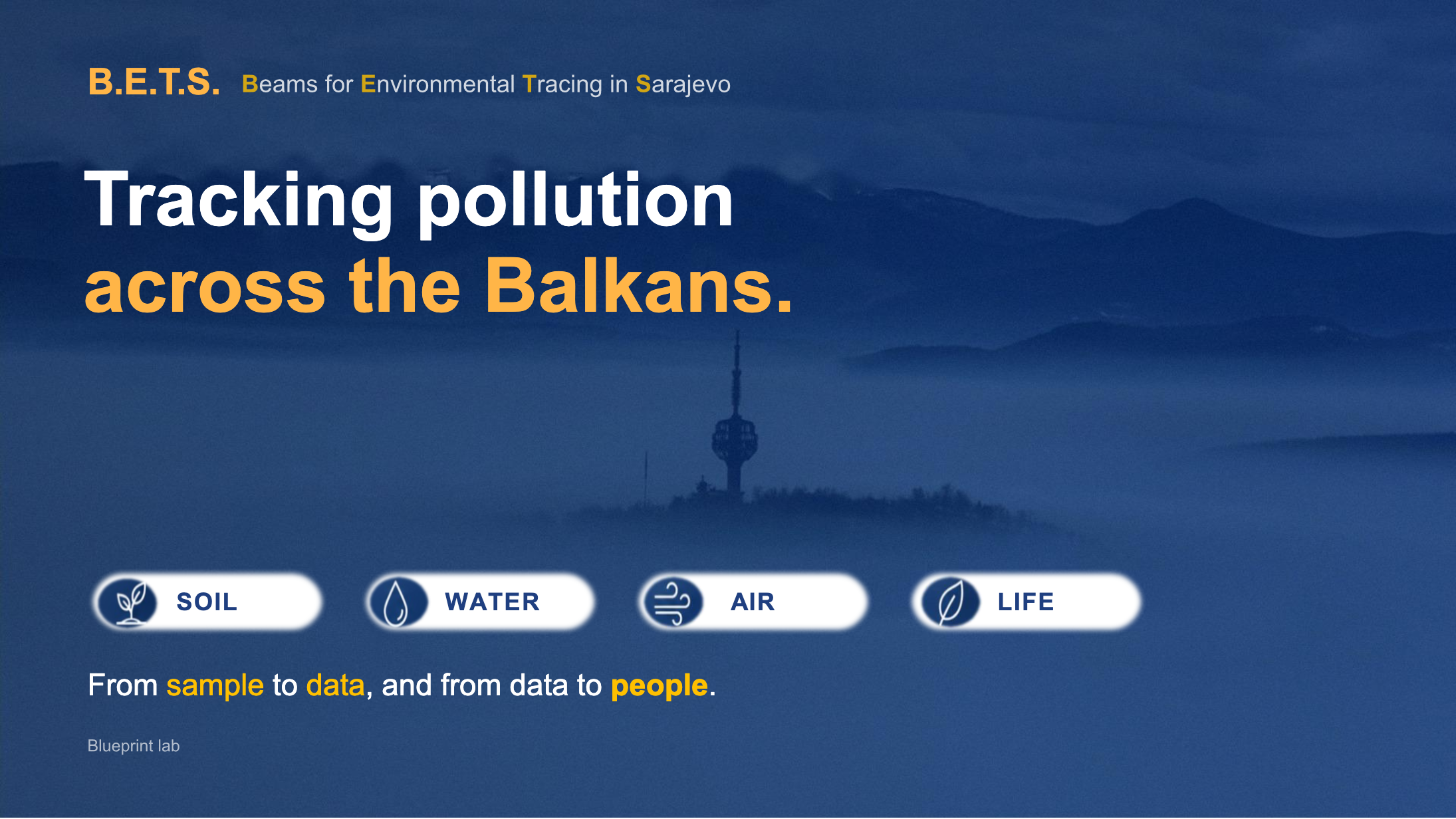
Other projects proposed using the to-be-built SARAI accelerator (Sarajevo Ion Accelerator) to create nanoparticles that would enhance radiotherapy-based cancer treatment, to use this proton accelerator to produce radioisotopes critical for PET/CT scans locally, or to create a network for pollution monitoring with advanced sensitivity.
Before announcing the winners, jury chair Kemal Durić, vice-rector of the University of Sarajevo, stressed that he had been impressed by the overall quality of the projects. Maja Arslanagic-Kalajdzic added “This year’s teams, coming from all parts of Europe, showed that SARAI is more than a physics instrument. It can serve as shared infrastructure for agriculture, environmental monitoring, and medicine, and for the region as a whole.” Toms Torims from CERN stated, “All four teams grounded their proposals in urgent, real-world issues facing Bosnia and Herzegovina and the Western Balkans.” Fellow jury member Alexandra Charalampopoulo from CNAO (Italy) added, “Beyond the scientific aspect, it was also wonderful to see the human side of this collaboration. It was a great example of how collaboration across disciplines, but also across cultures and experiences, can generate creative and innovative solutions.” Elvedin Hasović, Vice Dean of the Faculty of Science of the University of Sarajevo, summarized the overall impressions “The ideas presented by these young scientists deserve a chance to leave the page and enter the lab, and I would be proud to see some of them implemented at the SARAI facility.”
This challenge was made possible thanks to the support of the Three Physicists Foundation, the IFIGENEIA and EPITA projects, as well as contributions from CERN, CNAO, COSYLAB, HITRIplus, Instrumentation Technologies, IPPOG, SEEIST and the University of Sarajevo that hosted the event.
The school local organization was coordinated by Azra Gazibegović-Busuladžić from the University of Sarajevo. Participants were mentored by Amer Ajanović from the University of Sarajevo and CERN, Yiota FOKA from GSI, Maurizio Vretenar from CERN and Nicolas Delerue from CNRS/IJCLAB and the University Paris-Saclay.
Prepared by:
Nicolas Delerue from CNRS/IJCLAB and the University Paris-Saclay
Overall comments for CBI Sarajevo – 01.10.2026
*Deep local relevance & high societal impact:* All four teams grounded their proposals in urgent, real-world issues facing Bosnia and Herzegovina and the Western Balkans. The projects directly target critical regional challenges, including food export security and cadmium toxicity (Team 1), limited radiotherapy access and lung cancer care (Team 2), widespread environmental pollution (Team 3), and medical radiotracer supply disruptions for PET/CT imaging (Team 4).
*Application of SARAI Infrastructure:* Each group demonstrated exceptional creativity in leveraging the Sarajevo Ion Accelerator (SARAI) facility. Together, the proposals showcase how a single accelerator infrastructure can drive cross-cutting innovation across agriculture, nanomedicine, environmental tracing, and nuclear medicine.
*Genuine interdisciplinary alignment:* Every team successfully synthesized the diverse academic backgrounds of its members—seamlessly linking accelerator and theoretical physics, electrical and biomedical engineering, materials science, and chemistry into cohesive, multi-disciplinary solutions.
*Rigorously planned validation experiments:* All four teams presented clear, actionable 6-month validation roadmaps. They effectively incorporated numerical modelling (such as FLUKA and SRIM simulations), existing University of Sarajevo characterization tools (XRD, TEM, XRF), or external beam testing to prove feasibility before scaling.
*Teamwork and presentation:* teams have capitalised on their academic and very multidisciplinary backgrounds. Through CBI preparatory process and drafting/presenting exercise they have developed very valuable network, connections, skills and profound understanding of the real world multidisciplinary research teamwork.
Challenge Based Innovation, a CERN-supported interdisciplinary student competition, held at the University of Sarajevo reverses the usual order of research. Instead of starting from a technology and looking for a use, students start from problems that people in this region live with every day and ask what an accelerator and cutting-edge technology could contribute. This year’s teams, coming from all parts of Europe, showed that SARAI (Sarajevo Ion Accelerator) is more than a physics instrument. It can serve as shared infrastructure for agriculture, environmental monitoring and medicine, and for the region as a whole.
From a marketing and R&I perspective, the most important lesson is that scientific excellence and societal value are not the same thing, and the bridge between them has to be designed on purpose. The strongest moments came when teams faced questions about who would use their solution, who would pay for it, which partners and regulators must be involved, and how public trust is earned. These questions decide whether research infrastructure drives regional development or remains an isolated facility.
For UNSA, initiatives like this build what we need most: interdisciplinary talent, international networks through CERN, and a pipeline of ideas that can grow into collaborative projects. Our task now is to keep that momentum by connecting these ideas with our faculties, hospitals, public agencies and industry, so that SARAI develops a portfolio of applications worthy of the investment.
Being part of CBI as a jury member was a very stimulating and rewarding experience. What impressed me most was the truly multidisciplinary nature of the initiative, bringing together students from different scientific backgrounds and encouraging them to combine their expertise to address real-world challenges. Beyond the scientific aspect, it was also wonderful to see the human side of this collaboration. People from different countries and backgrounds exchanging ideas, learning from one another and building connections. It was a great example of how collaboration across disciplines, but also across cultures and experiences, can generate creative and innovative solutions.