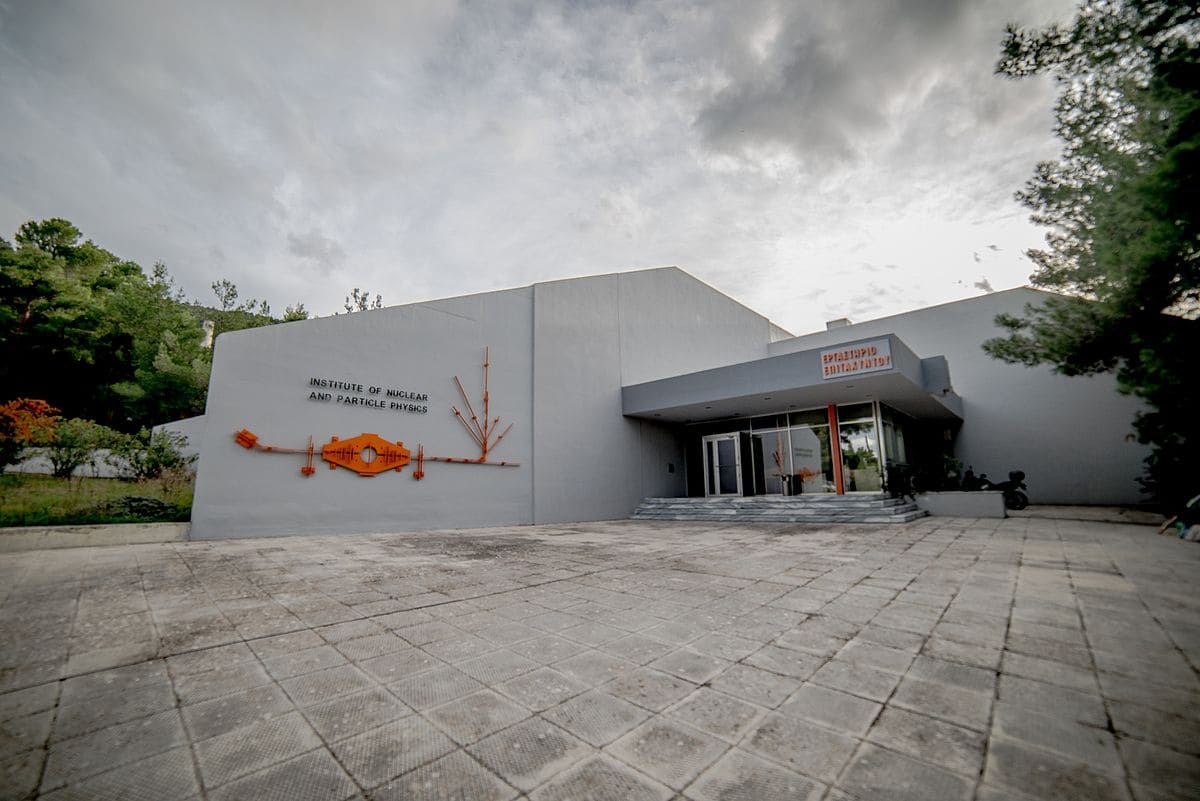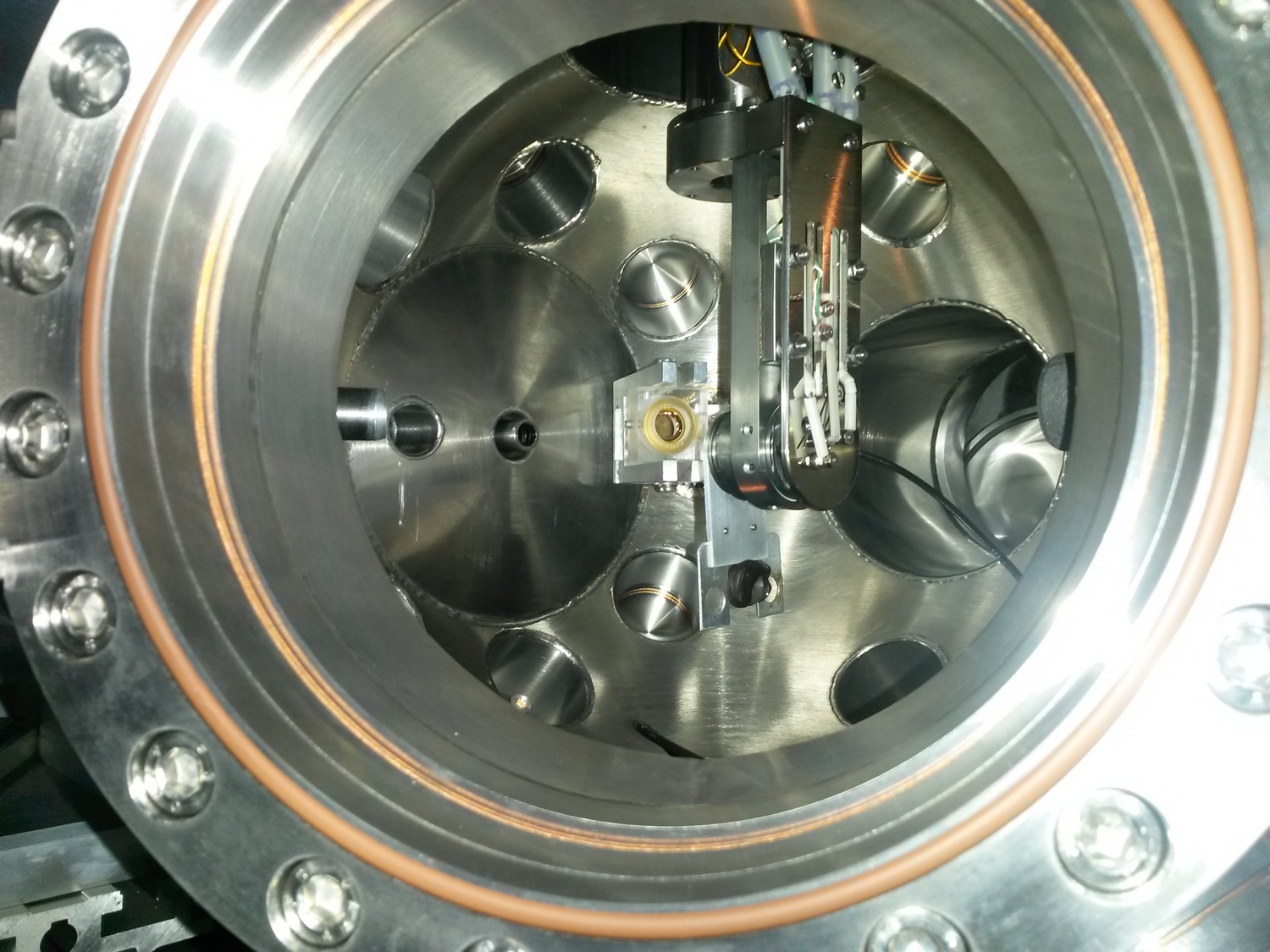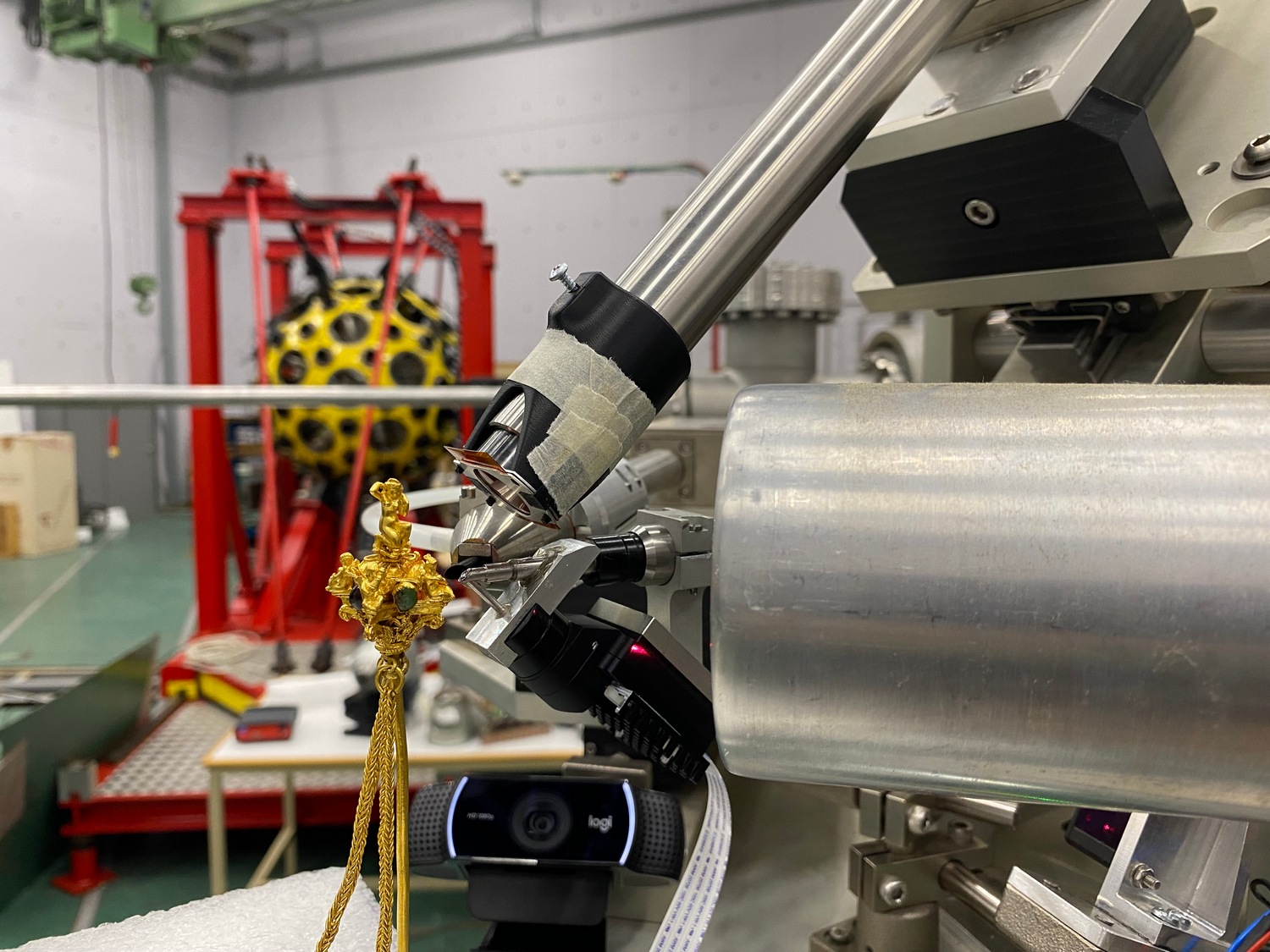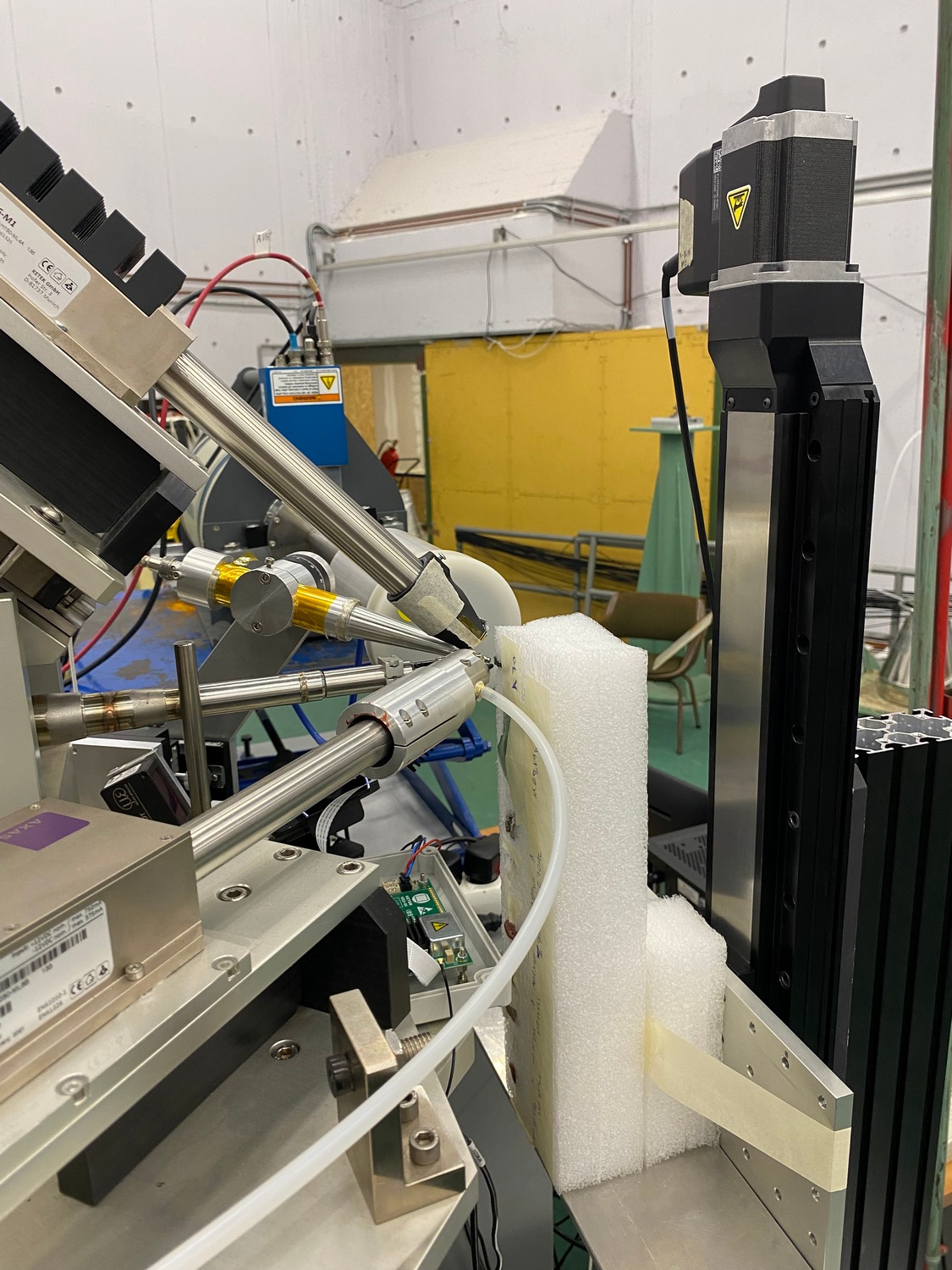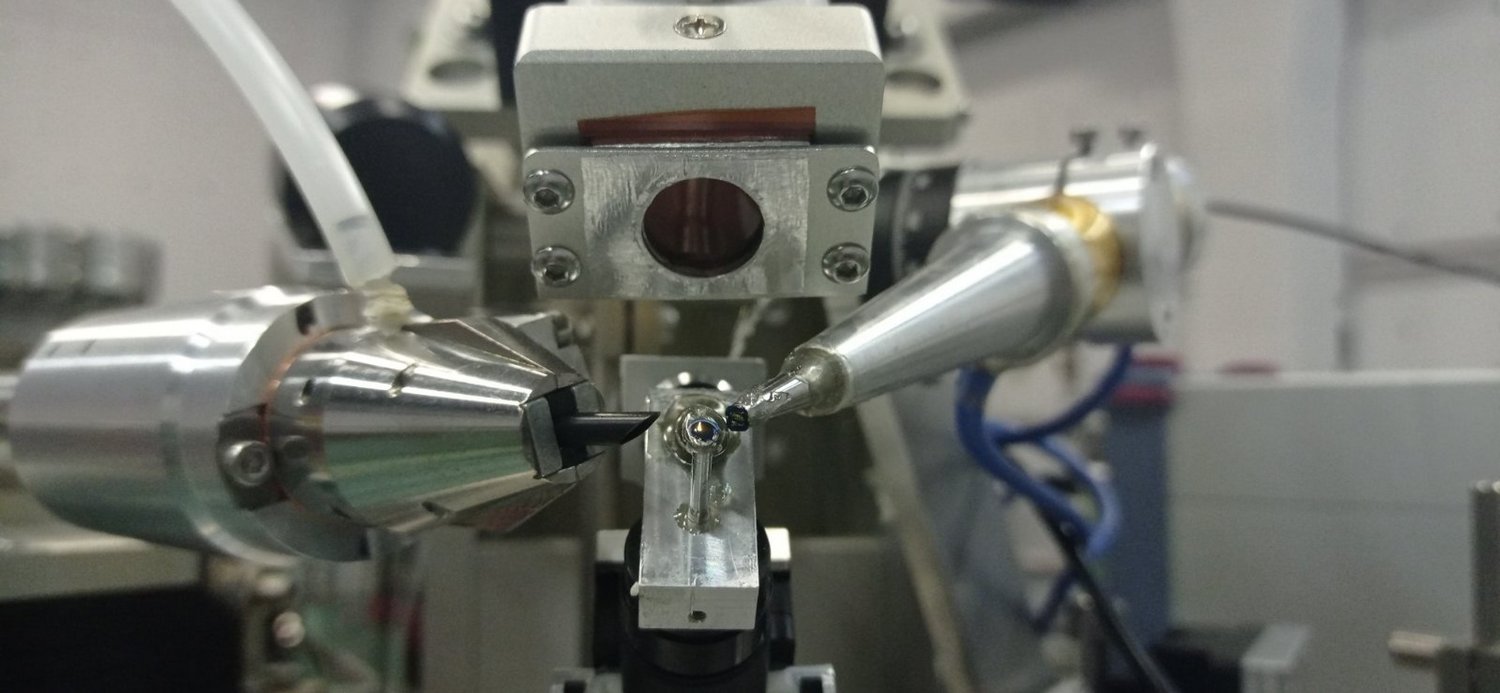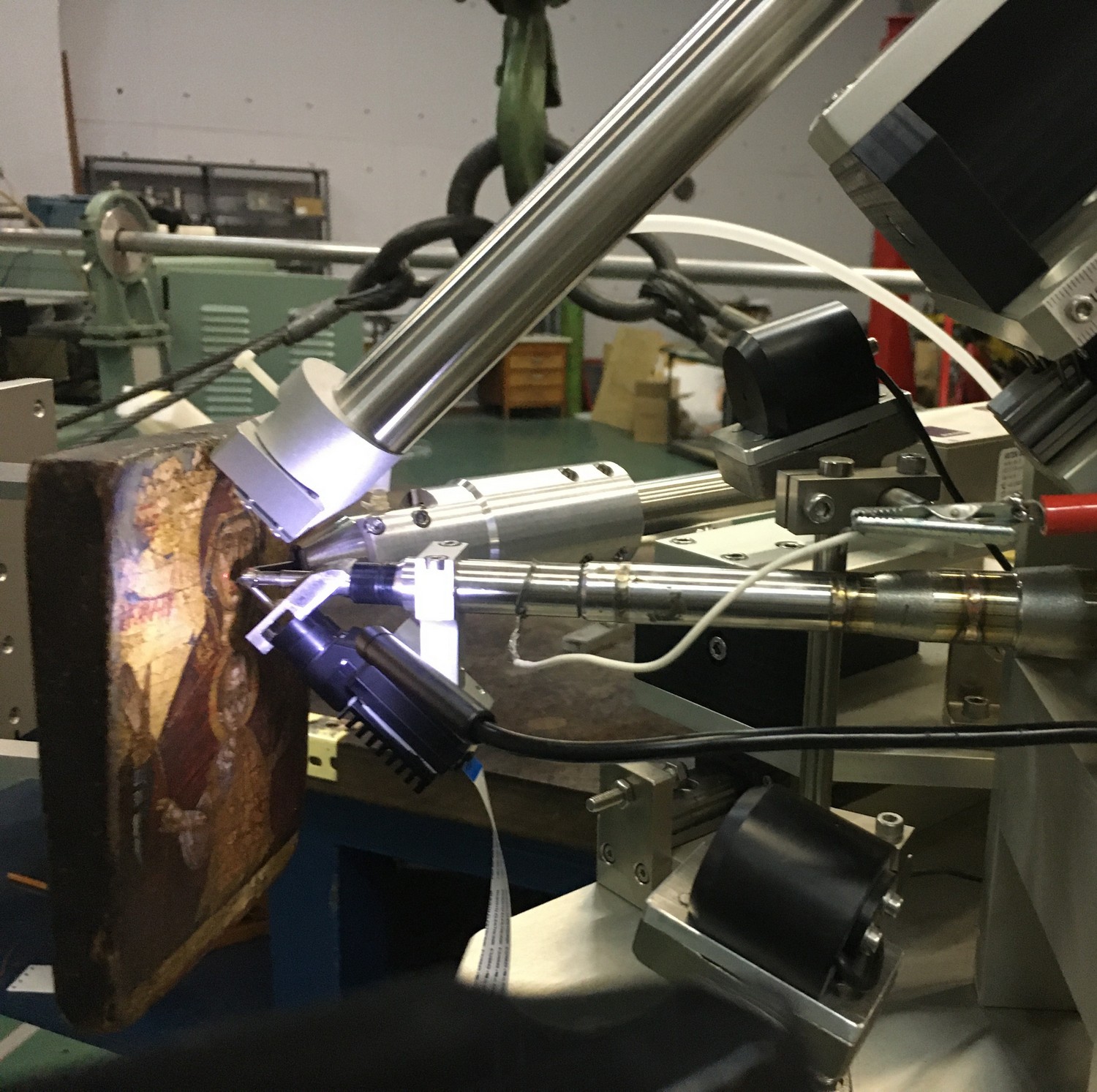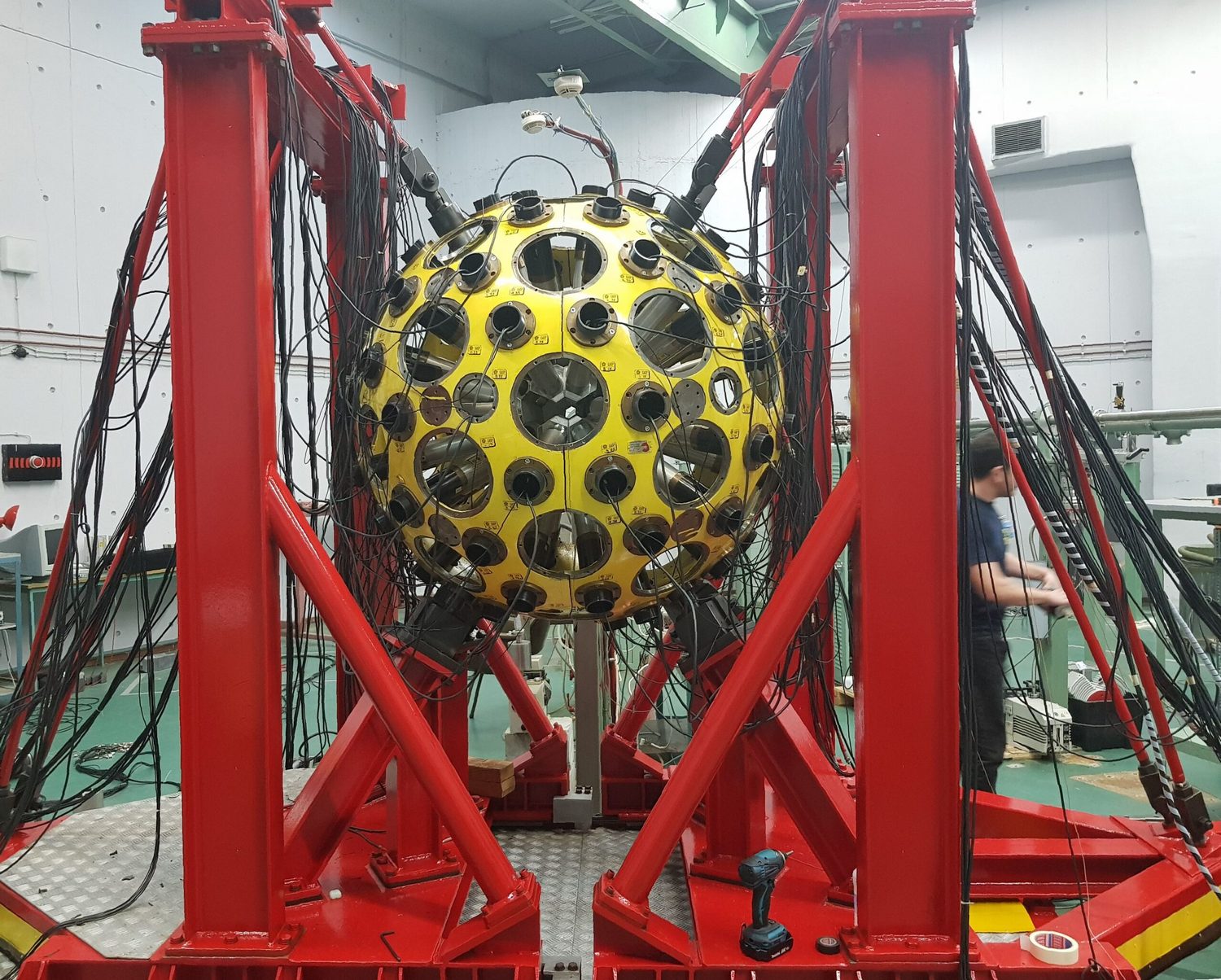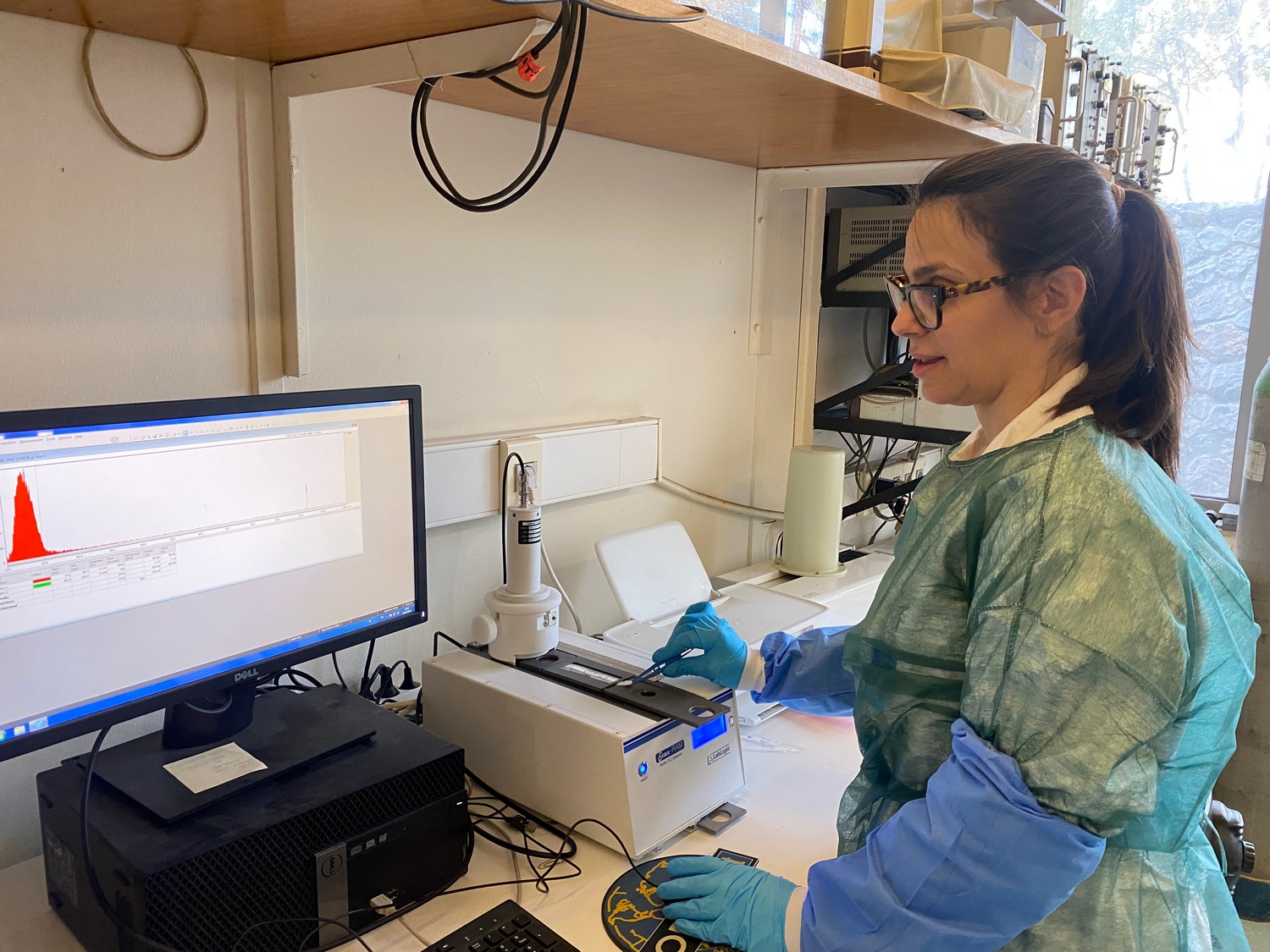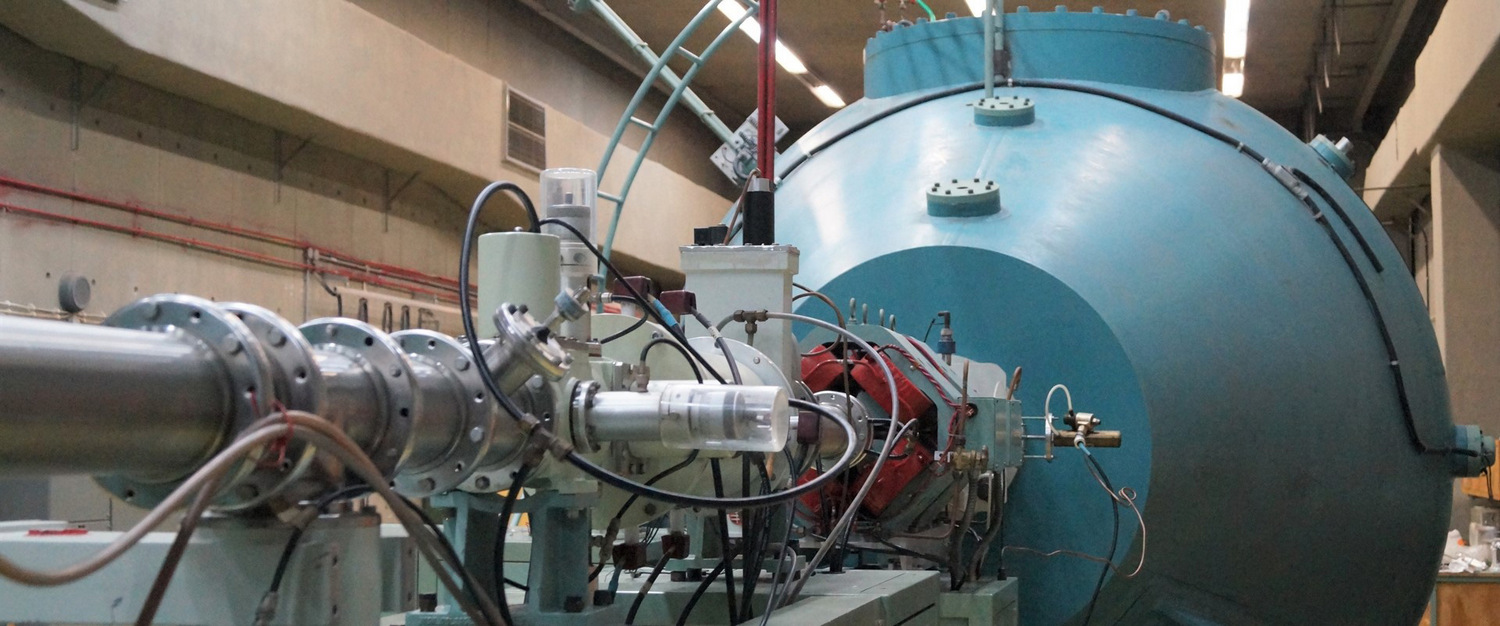
NCSR Demokritos hosts a critical mass of expertise and infrastructure spanning Energy & Environment, Nanotechnology, Biosciences, Particle and Nuclear Science, Informatics and Telecommunications, conducting excellent basic and applied research while supporting graduate education, professional training and high-technology services for industry and society. Within the centre, the Institute of Nuclear and Particle Physics (INPP) advances experimental and theoretical research in High-Energy Physics, Nuclear Physics and Astro-Particle Physics, contributing to major international collaborations such as the CMS and ATLAS experiments at the Large Hadron Collider at CERN, as well as the KM3NeT kilometre-scale underwater neutrino telescope in the Mediterranean. The institute also hosts CALIBRA, a unique national research infrastructure equipped with a 5.5 MV Tandem accelerator, open to external users from Greece and abroad. CALIBRA enables innovative applications across cultural heritage, environment, energy, human health and the development and testing of advanced materials and detectors. Within this infrastructure, the XRF laboratory supports cultural heritage studies and environmental monitoring, offering technology transfer and on-site analytical services to museums, archaeological sites and other institutions.
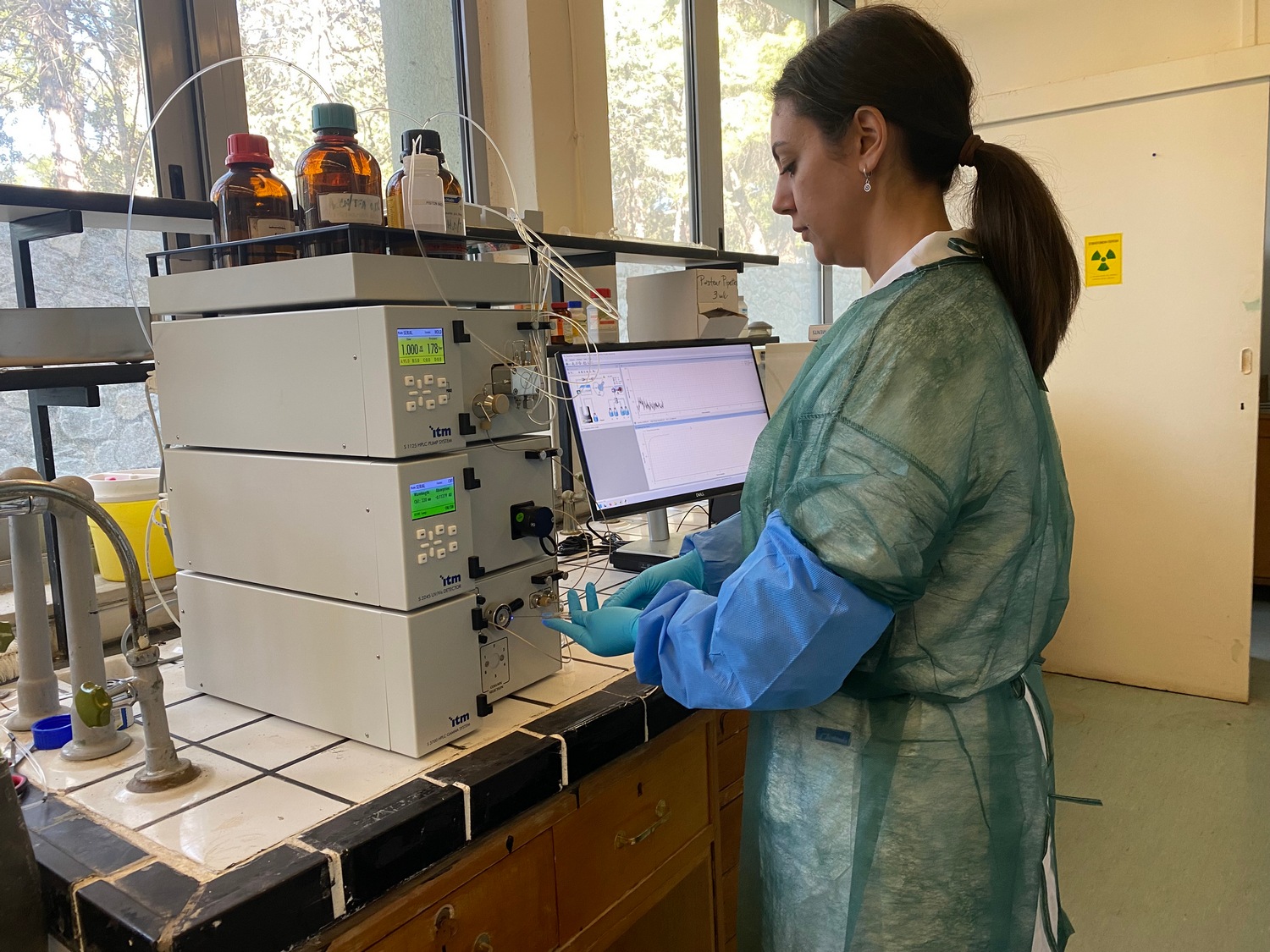
Complementing these capabilities, the Institute of Nuclear and Radiological Sciences and Technology, Energy and Safety (INRASTES) conducts interdisciplinary research bringing together chemists, pharmacists and biologists to develop the next generation of radiopharmaceuticals for molecular imaging and targeted radionuclide therapy. The institute’s radiopharmacy teams design high-affinity molecular vectors including small organic molecules, peptides, antibodies, polymers and multifunctional nanoparticles that selectively target disease-associated enzymes, receptors and transporters. By combining these vectors with diagnostic radionuclides such as ⁹⁹ᵐTc, ⁶⁸Ga, ¹⁸F and ⁸⁹Zr, as well as therapeutic isotopes including ¹⁷⁷Lu and ²²⁵Ac, researchers develop advanced theranostic probes capable of both precise disease detection and targeted treatment. Supported by state-of-the-art analytical platforms such as HPLC, radio-TLC, gamma counters and capillary electrophoresis, and complemented by licensed preclinical facilities, INRASTES advances radiopharmaceutical candidates through rigorous optimisation of chemical structure, pharmacokinetics and biodistribution. Reflecting its strong translational focus, the institute holds national marketing authorisations for three radiopharmaceuticals, Rhenium-186 Sulphide Colloid, ⁹⁹ᵐTc(V)DMSA and ⁹⁹ᵐTc-MIBI, and continues to pioneer innovations in radiolabeled nanoparticles for nanobrachytherapy and other advanced medical applications.
Within the IFIGENEIA project, NCSR Demokritos participates in the Greek IFIGENEIA Excellence Hub and plays a key role in ensuring the safe implementation of radioisotope production technologies. The organisation leads the task “Study of the Safety and Radiation Protection Requirements”, conducting a comprehensive assessment of safety and radiation protection considerations related to the operation of the LINAC facility and associated radioisotope production processes. NCSR Demokritos is also responsible for the corresponding project deliverable and contributes advanced expertise in ion beam analysis techniques, supporting the examination of archaeological and artistic objects and expanding the scientific applications of the project’s technologies.