
News
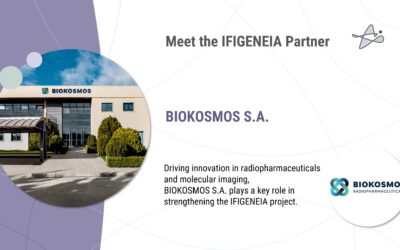
Meet the IFIGENEIA partner: BIOKOSMOS S.A.
BIOKOSMOS MEDICAL SCIENTIFIC EQUIPMENT COMMERCIAL INDUSTRY SOCIETE ANONYME, (BIOKOSMOS SA, a pioneering Greek company in the field of radiopharmaceuticals and molecular imaging, brings decades of expertise, advanced technological infrastructure, and strong research...
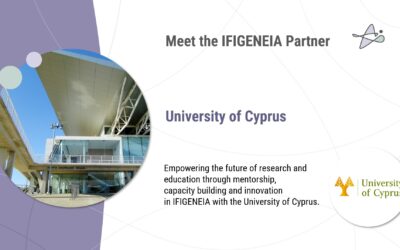
Meet the IFIGENEIA partner: University of Cyprus (UCY)
The University of Cyprus (UCY), the first accredited university in Cyprus, is a dynamic, research-driven institution with a strong international profile. In IFIGENEIA, UCY plays a leading role in strengthening capacity building through mentorship and specialised...
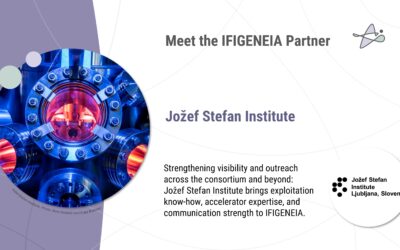
Meet the IFIGENEIA partner: Jožef Stefan Institute
The Jožef Stefan Institute is Slovenia’s leading scientific research institute dedicated to science and technology, covering a broad spectrum of basic and applied research. With strong international collaboration and a clear mission to generate new knowledge, develop...

Analysis of cancer clinical trials shows disparities on several fields
In September 2025 World Health Organization (WHO) published results of an extensive analysis, Cancer research and development landscape: overview of 1999-2022 period. The report presents interesting insights and findings for cancer treatment, based on 112 899...
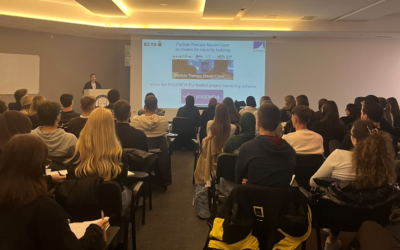
From Physics to Clinics: A Journey through Science and Medicine at SSST
The Sarajevo Medical School of the University Sarajevo School of Science and Technology (SSST) recently had the honour of hosting Dr. Yiota Foka, senior scientist at the GSI Helmholtz Centre for Heavy Ion Research in Darmstadt and CERN collaborator, for an inspiring...
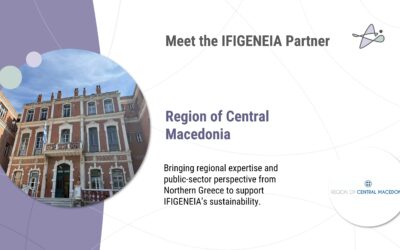
Meet the IFIGENEIA partner: Region of Central Macedonia
As a key public authority in Northern Greece, the Region of Central Macedonia contributes strategic insight and regional expertise to support the sustainability and long-term impact of the IFIGENEIA project. The Region of Central Macedonia (RCM) is one of the thirteen...
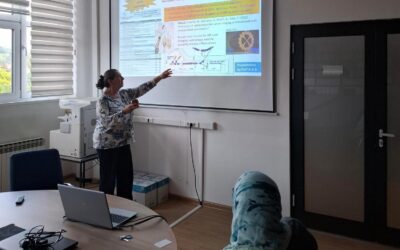
UNSA hosts IFIGENEIA: Mentoring Event and Rector Support
IFIGENEIA mentoring event at the UNSA Department of PhysicsA special interactive event, within the IFIGENEIA mentoring scheme, was organized for students of the Department of Physics at the University of Sarajevo, on October 10th 2025. The event was based on the...
Meet the IFIGENEIA partner: RTD Talos Limited
With strong experience at the intersection of policy, innovation, and business development, RTD Talos contributes essential expertise to strengthening the long-term impact and sustainability of the IFIGENEIA project. RTD Talos was established in September 2000, at a...
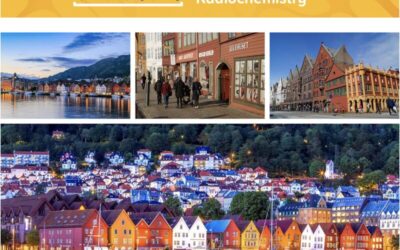
ESRR 2026, European society of radiopharmacy and radiochemistry
The 22nd European Symposium on Radiopharmacy and Radiochemistry (ESRR 2026) will be held in Bergen, Norway, on 16–19 April 2026. The symposium focuses on radionuclide production, radiochemistry, radiopharmaceutical development, radiobiology, and clinical translation....
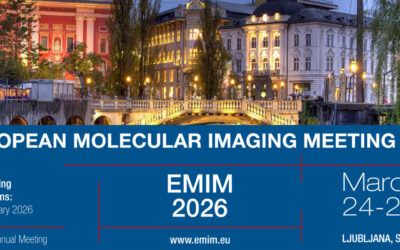
EMIM 2026 (European Molecular Imaging Meeting)
The 21st European Molecular Imaging Meeting (EMIM 2026) will be held on 24–27 March in Ljubljana, Slovenia, at Cankarjev Dom. The meeting brings together about 1,200 researchers working in morphological, functional, and molecular imaging, from mass spectrometry and...
News
Meet the IFIGENEIA partner: BIOKOSMOS S.A.
BIOKOSMOS MEDICAL SCIENTIFIC EQUIPMENT COMMERCIAL INDUSTRY SOCIETE ANONYME, (BIOKOSMOS SA, a pioneering Greek company in the field of radiopharmaceuticals and molecular imaging, brings decades of expertise, advanced technological infrastructure, and strong research...
Meet the IFIGENEIA partner: University of Cyprus (UCY)
The University of Cyprus (UCY), the first accredited university in Cyprus, is a dynamic, research-driven institution with a strong international profile. In IFIGENEIA, UCY plays a leading role in strengthening capacity building through mentorship and specialised...
Meet the IFIGENEIA partner: Jožef Stefan Institute
The Jožef Stefan Institute is Slovenia’s leading scientific research institute dedicated to science and technology, covering a broad spectrum of basic and applied research. With strong international collaboration and a clear mission to generate new knowledge, develop...
Analysis of cancer clinical trials shows disparities on several fields
In September 2025 World Health Organization (WHO) published results of an extensive analysis, Cancer research and development landscape: overview of 1999-2022 period. The report presents interesting insights and findings for cancer treatment, based on 112 899...
From Physics to Clinics: A Journey through Science and Medicine at SSST
The Sarajevo Medical School of the University Sarajevo School of Science and Technology (SSST) recently had the honour of hosting Dr. Yiota Foka, senior scientist at the GSI Helmholtz Centre for Heavy Ion Research in Darmstadt and CERN collaborator, for an inspiring...
Meet the IFIGENEIA partner: Region of Central Macedonia
As a key public authority in Northern Greece, the Region of Central Macedonia contributes strategic insight and regional expertise to support the sustainability and long-term impact of the IFIGENEIA project. The Region of Central Macedonia (RCM) is one of the thirteen...
UNSA hosts IFIGENEIA: Mentoring Event and Rector Support
IFIGENEIA mentoring event at the UNSA Department of PhysicsA special interactive event, within the IFIGENEIA mentoring scheme, was organized for students of the Department of Physics at the University of Sarajevo, on October 10th 2025. The event was based on the...
Meet the IFIGENEIA partner: RTD Talos Limited
With strong experience at the intersection of policy, innovation, and business development, RTD Talos contributes essential expertise to strengthening the long-term impact and sustainability of the IFIGENEIA project. RTD Talos was established in September 2000, at a...
ESRR 2026, European society of radiopharmacy and radiochemistry
The 22nd European Symposium on Radiopharmacy and Radiochemistry (ESRR 2026) will be held in Bergen, Norway, on 16–19 April 2026. The symposium focuses on radionuclide production, radiochemistry, radiopharmaceutical development, radiobiology, and clinical translation....
EMIM 2026 (European Molecular Imaging Meeting)
The 21st European Molecular Imaging Meeting (EMIM 2026) will be held on 24–27 March in Ljubljana, Slovenia, at Cankarjev Dom. The meeting brings together about 1,200 researchers working in morphological, functional, and molecular imaging, from mass spectrometry and...