A Joint Initiative of IPPOG and IFIGENEIA
At the beginning of June 2026, the spring meeting of (IPPOG), the International Particle Physics Outreach Group, took place in Ljubljana, which presented an excellent opportunity for the IFIGENEIA colleagues of the Slovenian Hub for networking and common activities. Indeed, one of the aims of the IFIGENEIA project is to support capacity building, via its mentorship scheme, encouraging inclusive participation and strengthening collaborations.
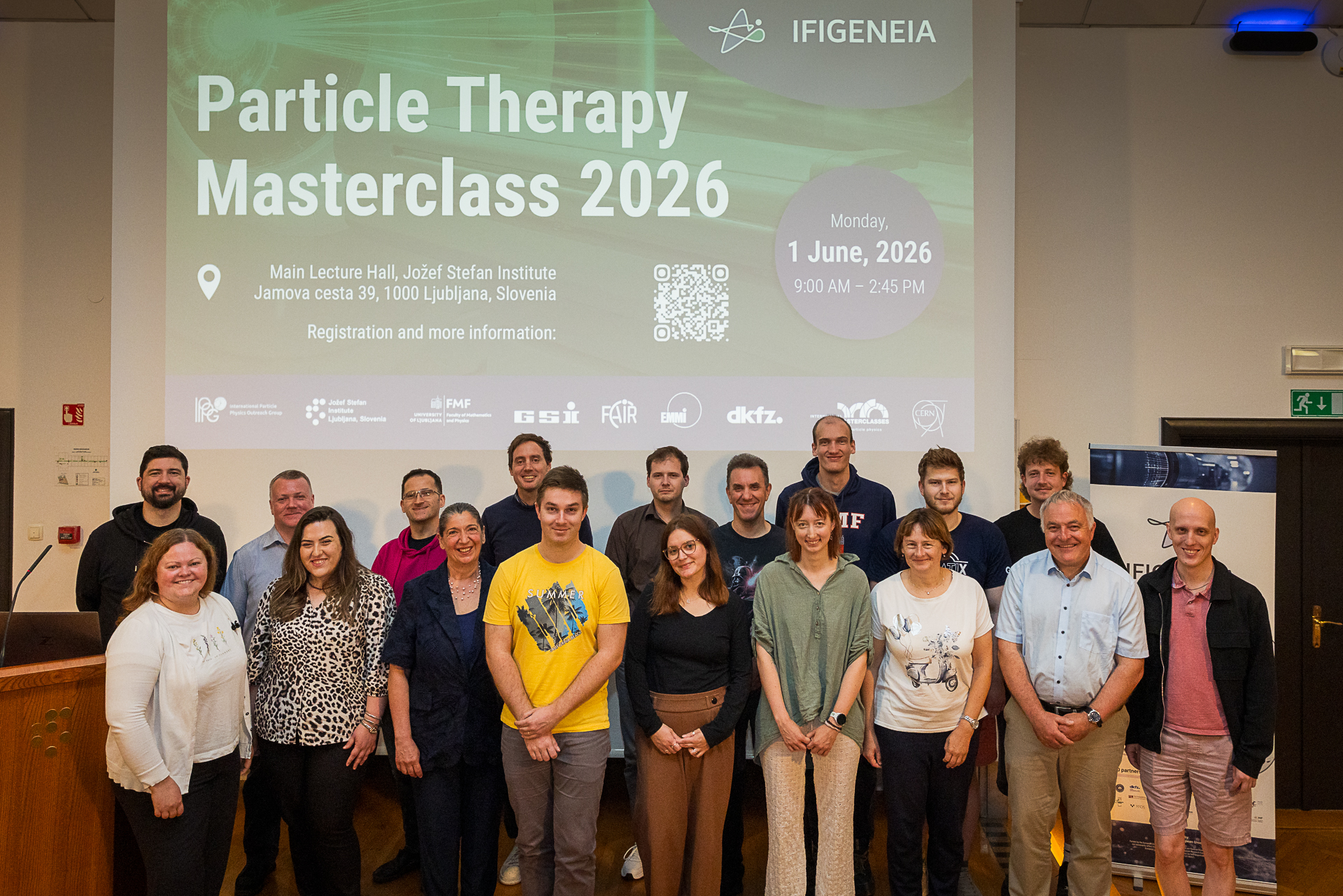
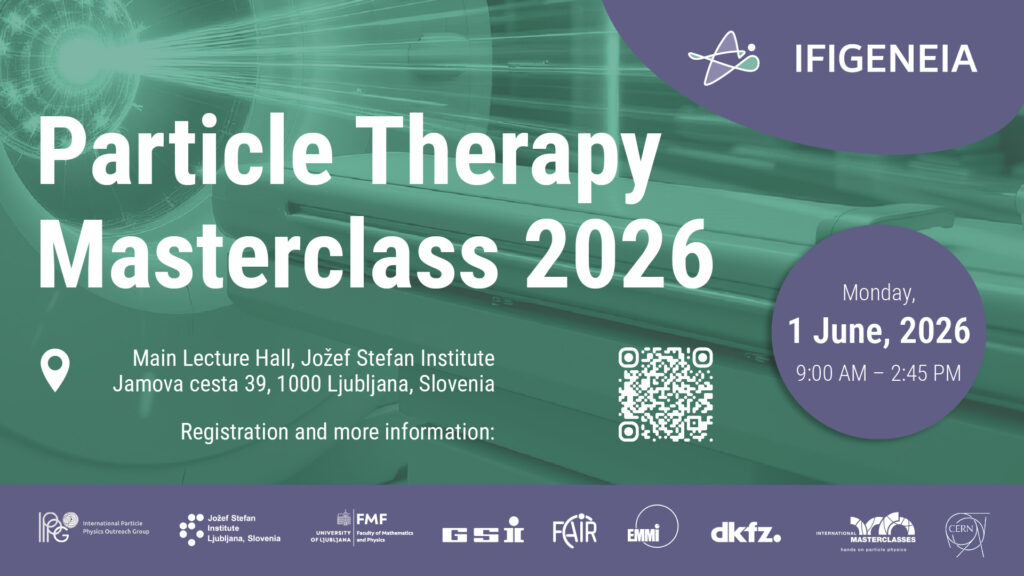
Hence, an advanced Masterclass on Particle Therapy, addressing university students and professionals, was proposed as a topic of common interest by Yiota Foka, IFIGENEIA Task6.2 Leader and member of the Steering Group of the IPPOG International MasterClasses, IMC. In fact, the well-established Particle Therapy MasterClass PTMC, addressing high-school students within IMC, was successfully adapted for the IFIGENEIA purposes. On this basis, an advanced PTMC was planned in close collaboration with one of the IPPOG chairs, also originally from Slovenia. It took place on Monday, 1 June 2026, hosted by the Jožef Stefan Institute (JSI) and the Faculty of Mathematics and Physics of the University of Ljubljana. Targeted dissemination and overall publicity via the IFIGENEIA channels for this advanced Particle Therapy Masterclass 2026 attracted students of the medical school and professionals, already engaged at hospitals, who were welcomed at the JSI by the IFIGENEIA PR expert, Urska Mrgole.
The event, meticulously prepared, combined training with an enjoyable colloquial experience. The agenda included lectures and animations in the morning and hands-on practical exercises after lunch, which was offered by the IFIGENEIA JSI group.
From Fundamental Research to Cancer Therapy
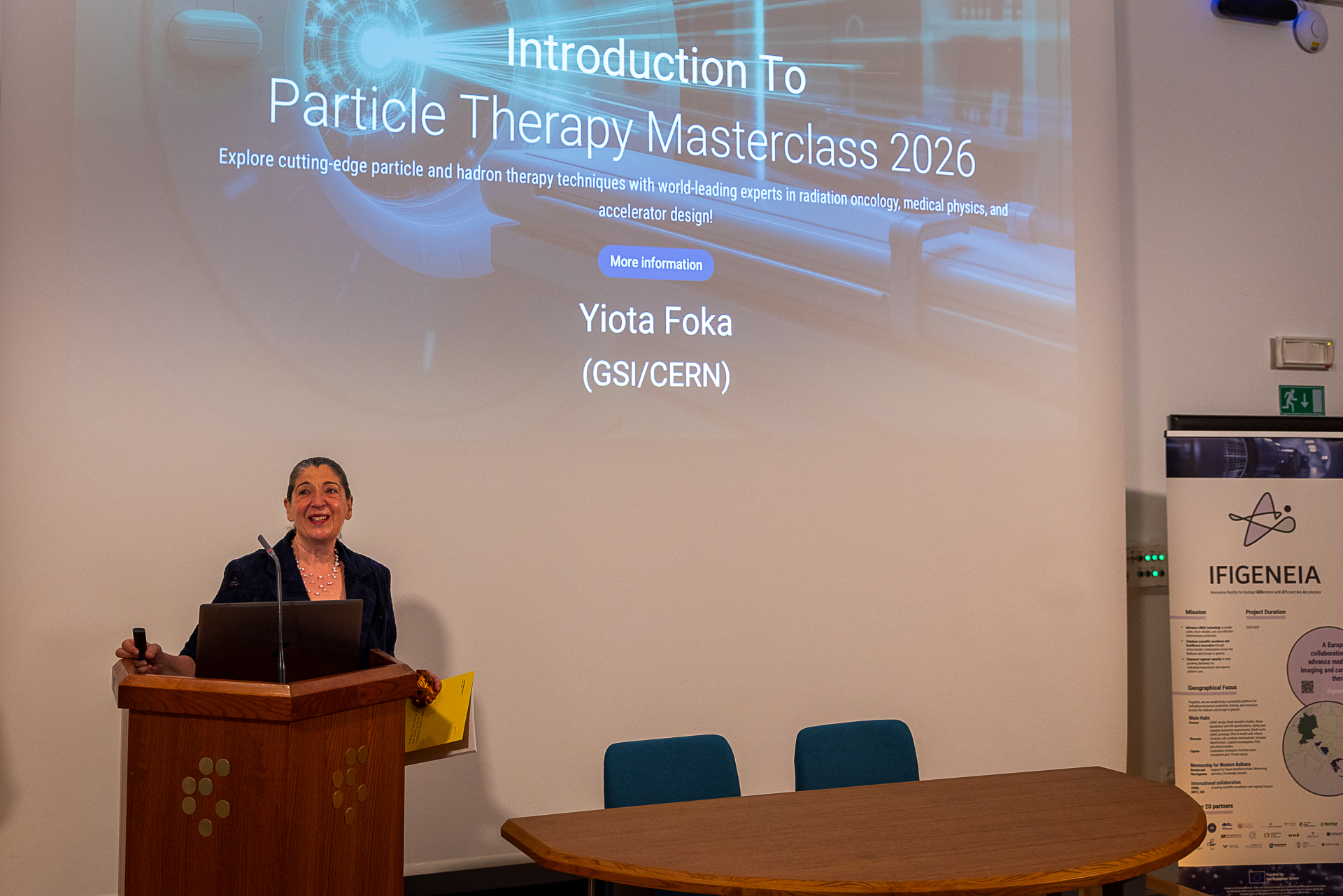
In more detail, Yiota Foka (GSI/CERN) started the expert-lectures session with a short overview of the concept, origins and impacts of the Particle Therapy MasterClass, which she initiated with a pilot performed with the participation of CERN, DKFZ and GSI, just before the COVID pandemic. Adapted immediately for an online mode also, it has been performed by 81 institutes from 40 countries at least once by now, thus motivating more than 1500 high-school students every year. By adjusting the level and the exact topic of the lectures, it proved to be an efficient method for the IFIGENEIA mentorship scheme, as stems out by the received feedback and success of the ones performed at Sarajevo in October 2025 (UNSA hosts IFIGENEIA: Mentoring Event and Rector Support and From Physics to Clinics: A Journey through Science and Medicine at SSST) and in Thessaloniki, 1st of April 2026.
Then, she underlined the importance of particle physics for particle therapy, highlighting that technologies developed for fundamental research find applications for cancer diagnosis and therapy. Introducing the following presentation, she touched upon the usage of accelerators in the fight against cancer. She also elaborated on the relevance of the IFIGENEIA project in the translation of accelerator developments for research into medical devices for radioisotope production. Preparing the grounds for the hands-on exercises, she introduced basic concepts of radiotherapy, highlighting the importance of different particle properties and their interactions with matter. A crucial aspect of radiotherapy is targeting precisely the cancer volume, which underlines the importance of imaging and the role of radioisotopes; and, consequently, the role of IFIGENEIA in developing an efficient linear accelerator for radioisotope production and exploring radioisotopes for therapy and diagnostics (thera-gnostics). Introducing the next speakers, she stressed that emerging technologies already play an essential role in developing more compact, efficient and affordable medical facilities for the benefit of the broader society.
Particle Accelerators in Cancer Therapy
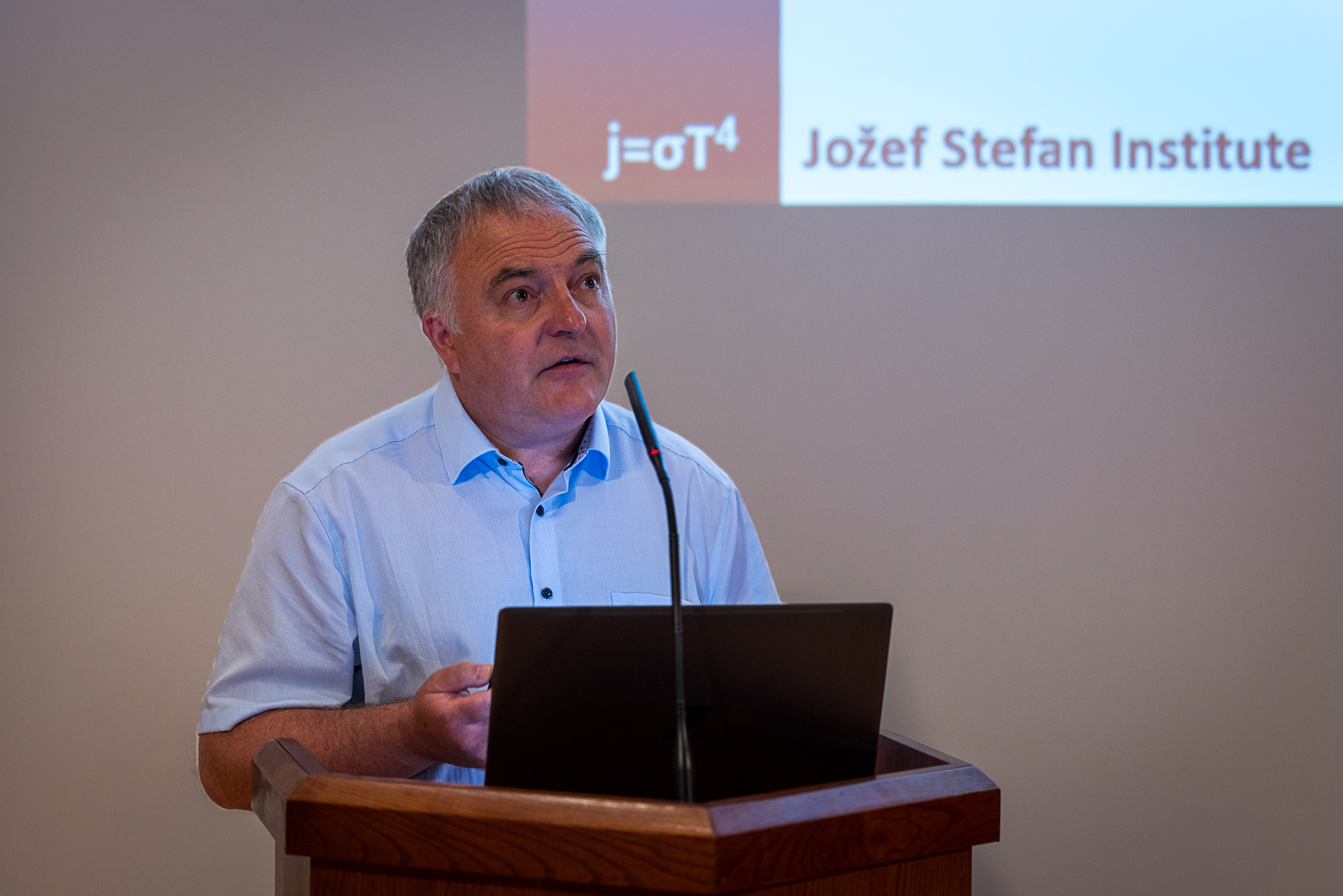
Following this introduction, Primoz Pelicon presented details on particle accelerators and their applications for cancer therapy. Starting from basic accelerator physics, he described the different accelerator types and the underlying physics principles, as well as their evolution. He then explained the rationale for using them in medicine and in cancer healthcare. Indeed, particles can be used for radiotherapy to eradicate cancer tumours, basically directing, very precisely, a particle beam towards the target volume. Particle beams, provided by accelerators, can also be used to impinge on targets and produce a large variety of radioisotopes that can be employed in medicine, as specialised radiopharmaceuticals, either for diagnosis or to reach cancer cells internally and eradicate them in place or both. Thus, developments of accelerator technologies boost progress on cancer treatments with a direct impact on society.
Cancer theranostics basic principles
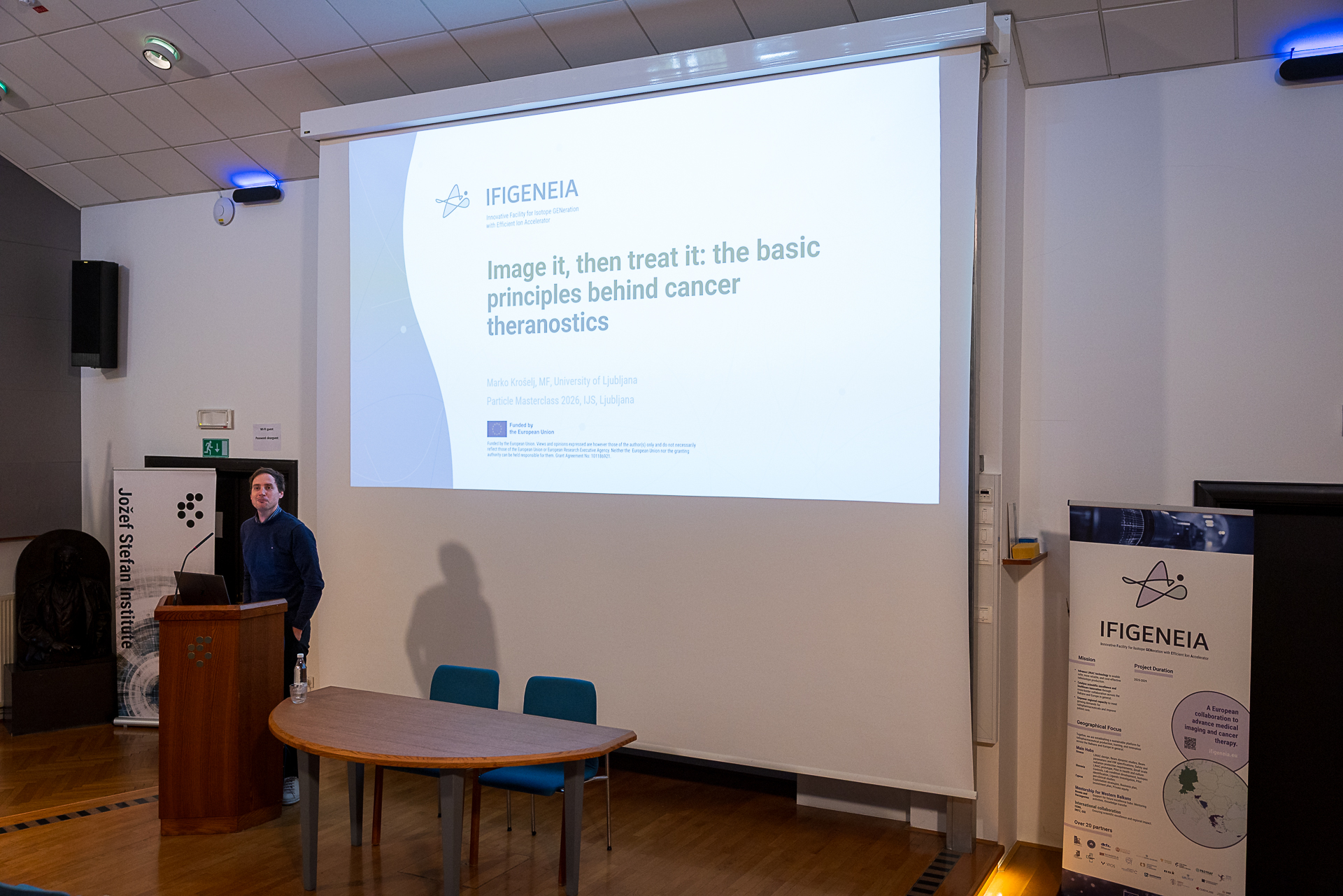
In the following lecture Marko Krošelj from the Faculty of Medicine (University of Ljubljana) presented statistics of the cancer burden both on global and national levels. Estimations are not promising, as unfortunately, projections show that, on a yearly basis, new cases are expected to increase from 20 million in 2022 to 35 million in 2050.
Details on the cancer disease and its hallmarks were followed by the description of several diagnostic tools to define specific cancer characteristics and different ways to treat it. Besides options like surgery, immunotherapy, chemotherapy, bone marrow transplantation and several others, radiation therapy (both external and internal) is also one of the methods for cancer treatment.
With radiation therapy, cancerous cells are destroyed by being exposed to ionising radiation (X-rays, gamma rays, high-energy electrons or protons and heavy particles). Radiation can be natural or artificial. While both disrupt chemical bonds, artificial radiation therapy is more specific, since it is intentionally produced with selected isotope and for a chosen purpose.
In order to provide additional insights into cancer treatment with contemporary methods, more details were given about the radiopharmaceuticals (combination of radioactive isotopes with pharmaceutical carriers to visualise biological processes) and theranostics. The latter combines diagnostics and therapy in a single molecule, while improving the overall process (diagnosis, treatment, monitoring and follow-up).
Radiation therapy plans for research and educational purposes
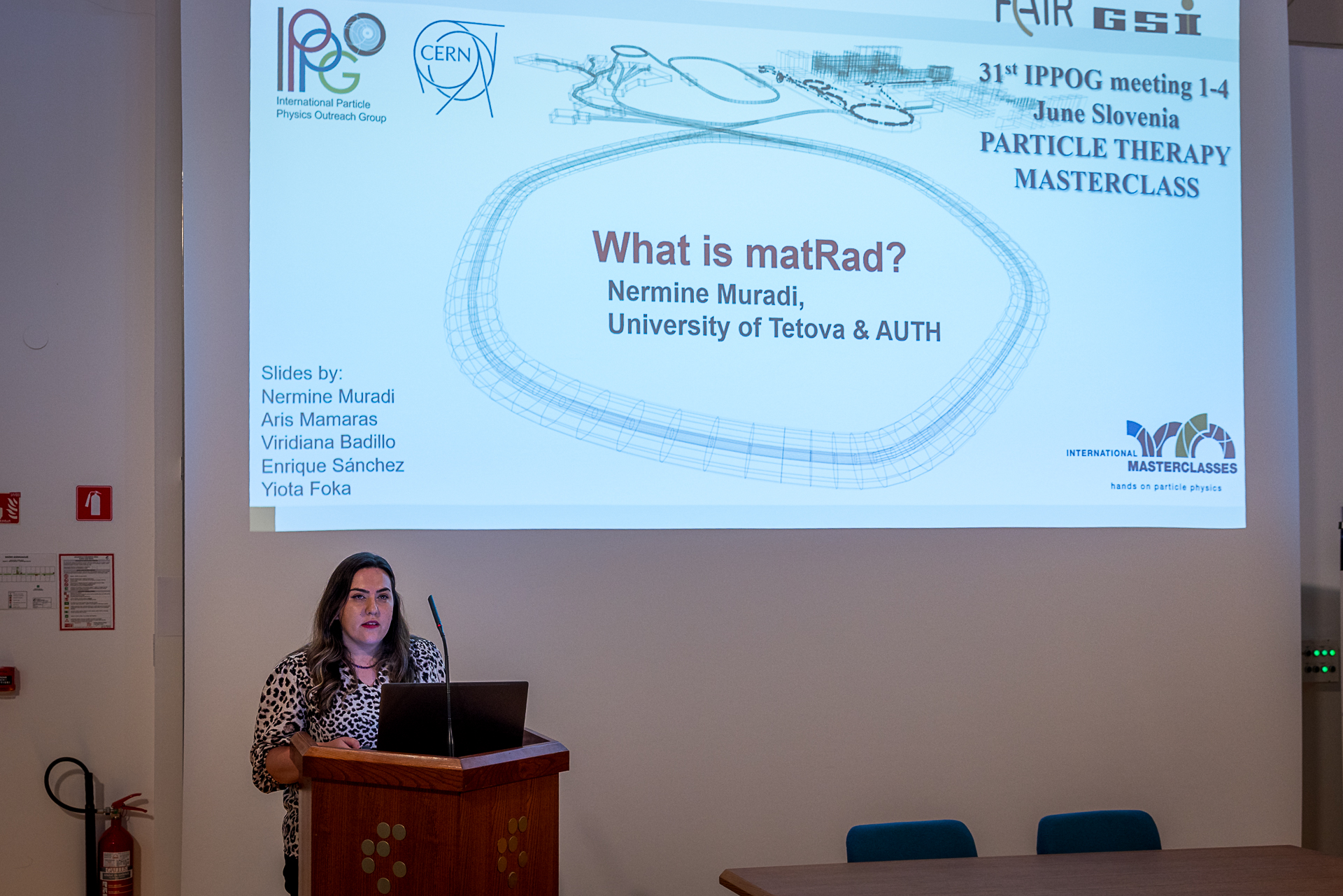
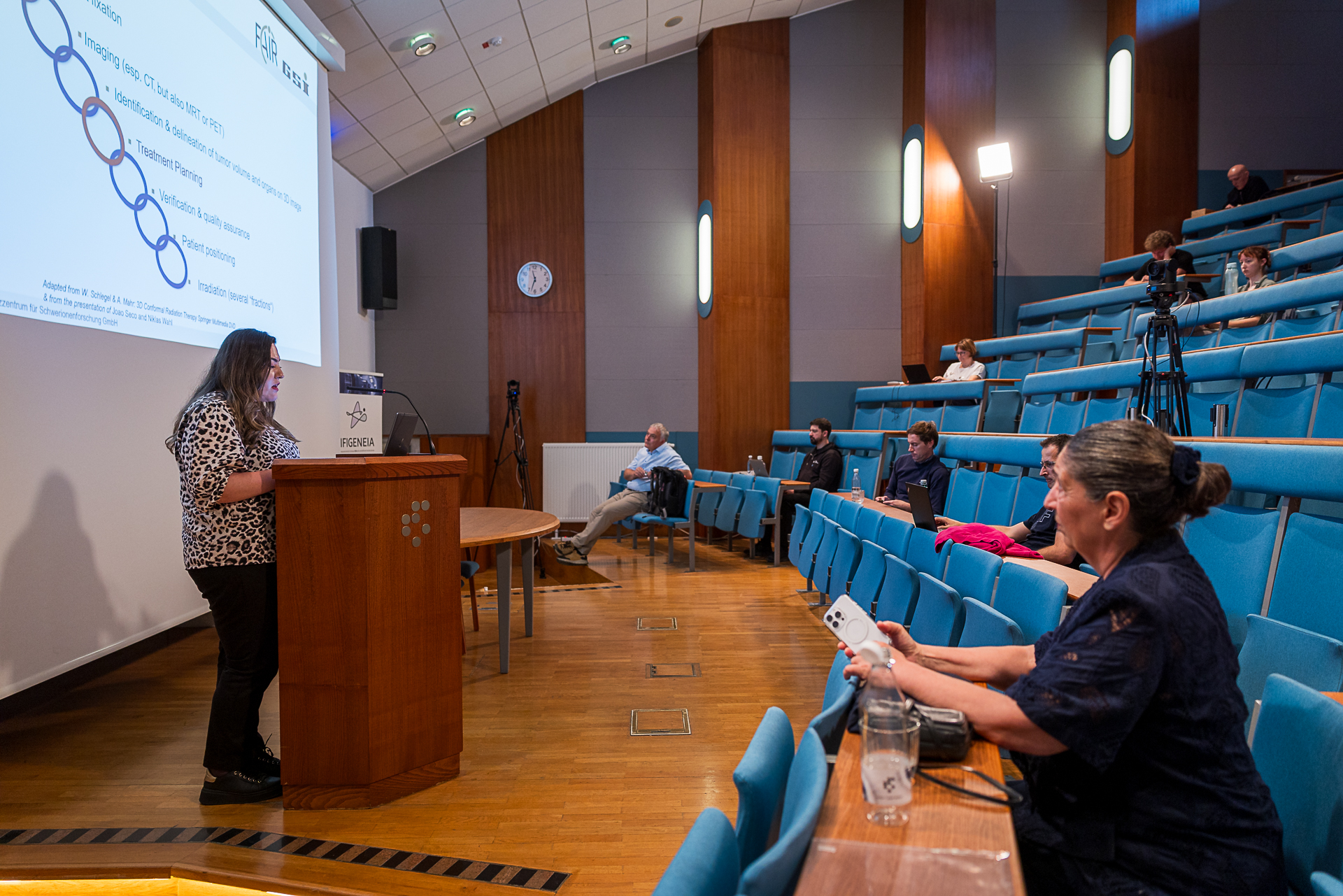
How theoretical concepts for cancer treatment can be put into practice was demonstrated by Nermine Muradi, from the University of Tetova and Aristotle University of Thessaloniki, employing the Treatment Planning software toolkit matRad developed for research and education by the German Cancer Research Center DKFZ in Heidelberg, Germany. The matRad software is used for designing radiation therapy plans where intensity modulated beams of photons, protons, helium and carbon ions are used. Benchmarked against professional hospital software, it is used for training purposes by many institutes and users worldwide.
For the PTMC, six case studies were prepared; however, users can upload their cases as well. As a general preparation for the afternoon activities, the overall procedure using matRad was presented – from introducing patient data, setting parameters and calculating dose, to visualisation and completion of the simulation.
The role of the IFIGENEIA project
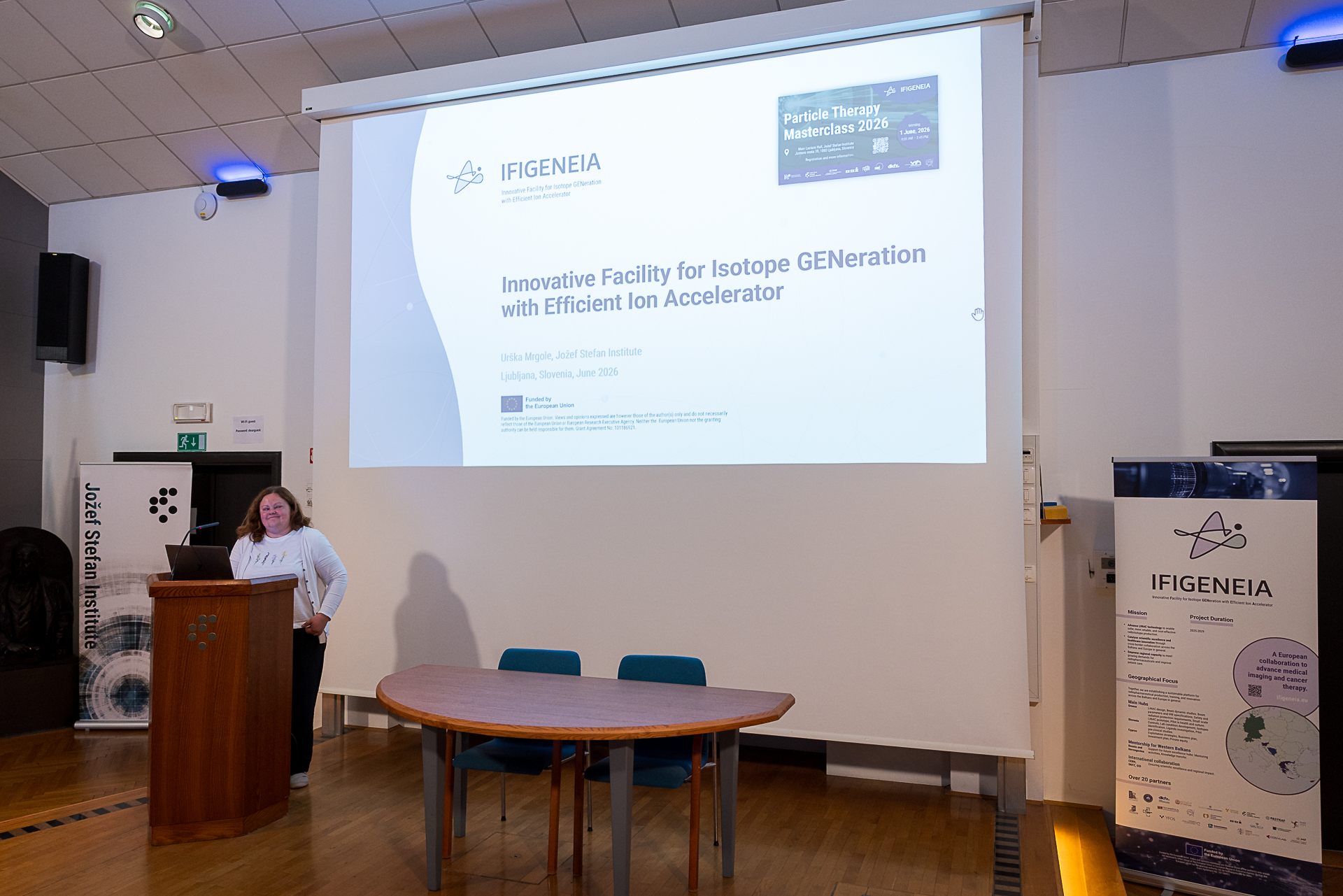
Before the afternoon programme started, Urška Mrgole, from the Jožef Stefan Institute, presented the IFIGENEIA project, underlining that this event was organised to support the IFIGENEIA mentorship scheme. The goals of IFIGENEIA were summarised and related to the different sections of this educational session; namely, establishing centres to operate linear accelerator facilities to produce a wide range of medical isotopes for diagnosis, therapy and theragnostics, while strengthening cooperation between science, industry and healthcare.
Furthermore, the structure and overview of different activities were denoted, along with the educational materials, communication channels and other options to stay up-to-date with the relevant project information and activities.
Knowledge in practice
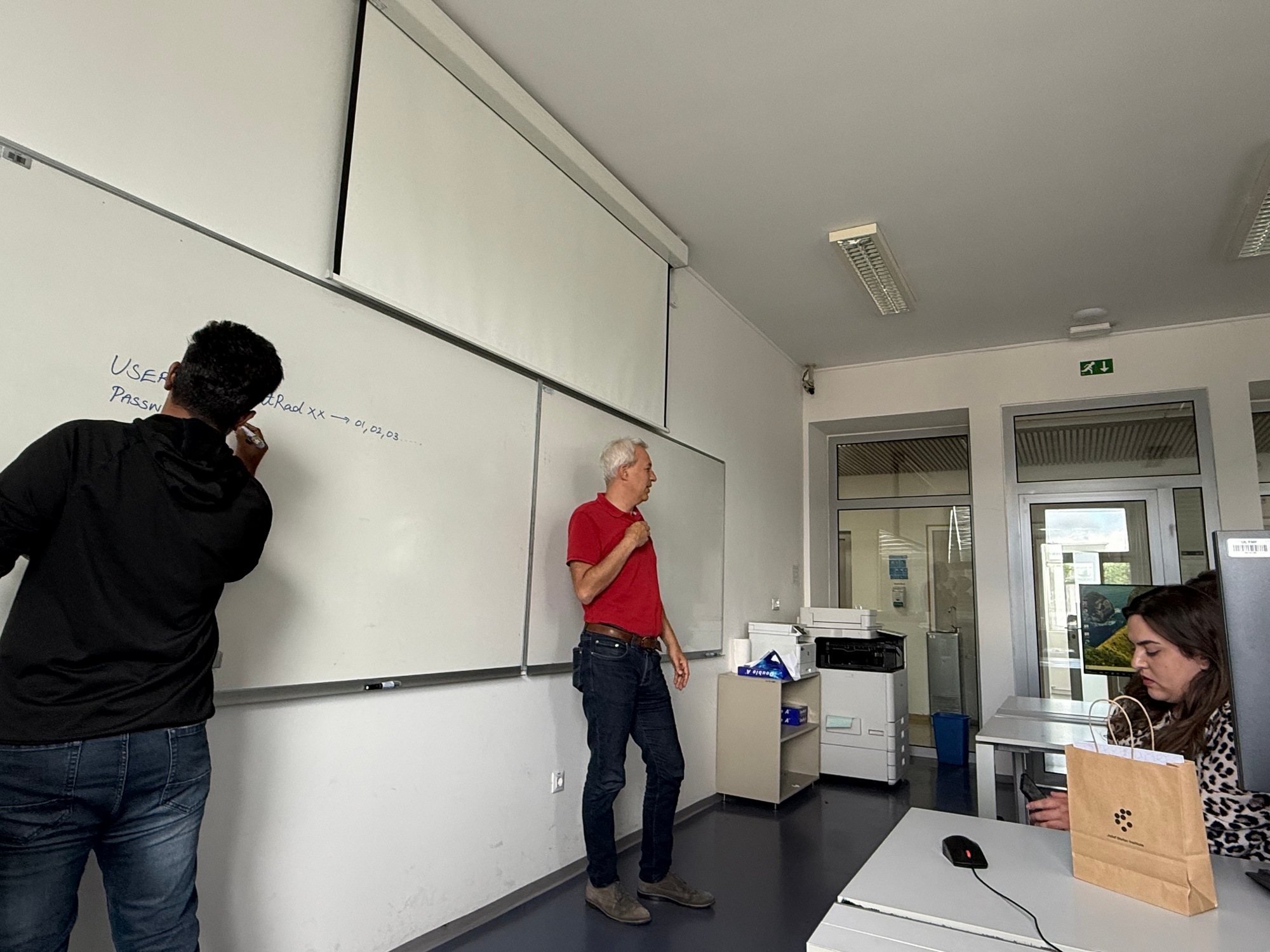
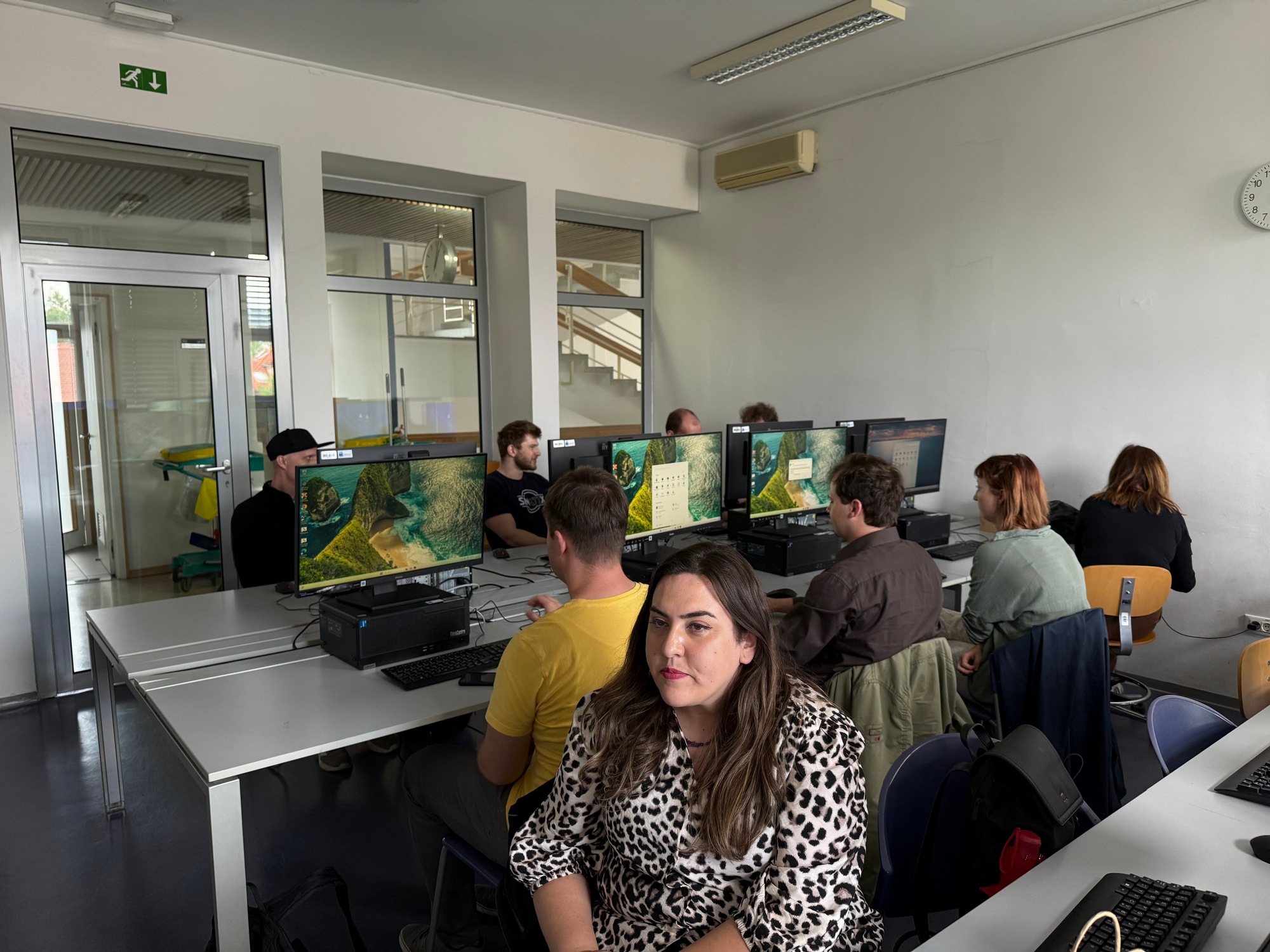
After the lunch break, participating students and professionals attended a hands-on session held at the nearby Faculty of Mathematics and Physics in Ljubljana with the additional support of Slovenian IPPOG colleagues. The knowledge gained during the morning lectures provided a strong foundation for the practical session. Participants had the opportunity to work through practical exercises and real examples of treatment planning. Using the matRad treatment planning software, they learned how to optimise treatment plans, using different modalities, and presented their results, gaining valuable insight into the clinical workflow of particle therapy. Thus, they could witness clearly the differences among the various types of radiotherapy and the importance of proper visualisation. The day concluded with a discussion on these topics and the PTMC quiz, where participants tested their newly acquired knowledge in a fun and interactive way, bringing the hands-on session to an engaging and memorable close.
Beginning of a new path forward
As cancer treatment is constantly improving, training sessions like the masterclasses are important for the future development of the next generation of professionals. The performed Particle Therapy MasterClass had so far, a big impact on both students and professionals. As experience has already shown, many of the participants who attended the MasterClasses as students followed related career paths. Hence, the expectation is that they will soon play an important role in the future endeavours dealing with one of the greatest health burdens of our time.
Authors: Yiota Foka (GSI/CERN), Robert Premk (Jožef Stefan Institute), Nermine Muradi (University of Tetova and Aristotle University of Thessaloniki), Marko Krošelj (Faculty of Medicine, University of Ljubljana)
Photo: M. Verč, IJS